REVIEW · VENICE
Venice: 1.5-Hour Wandering Around the City
Book on GetYourGuide →Operated by Venice Boat Experience · Bookable on GetYourGuide
Venice is best seen on foot. This 1.5-hour walking tour strings together the city’s big names—from St. Mark’s Square to the Doge-era monuments—so you get the storyline of the Serenissima Republic without burning half a day. I like that it’s focused and easy to follow, and I also like that you’re with a licensed guide who can connect what you see to what it meant. One thing to consider: you’ll do a moderate amount of walking on uneven streets, so comfy shoes matter.
You’ll meet near St. Mark’s at the TURIVE kiosk on Calle Larga de l’Ascension, then cover several classic stops in a tight loop: Santa Maria Formosa Square, Campo SS. Giovanni e Paolo, Marco Polo’s House, Malibran Theatre, and the Mercerie path back toward San Marco. The optional glass-making add-on is a nice bonus if you want one more slice of Venetian craft before you head off on your own.
In This Review
- Key Highlights You’ll Actually Notice
- Why This 1.5-Hour Venice Walk Makes Sense
- Meeting St. Mark’s Square: Finding the TURIVE Kiosk
- Piazza San Marco: The Serenissima in One Stop
- Santa Maria Formosa Square: A More Local-Looking Pause
- Campo SS. Giovanni e Paolo: Doge Power, Charity, and Fortune
- Marco Polo’s House and Malibran Theatre: Legends Meet Street Life
- Mercerie to San Marco: Walking the Connection Toward Rialto
- Optional Glass Furnace: What the Add-On Gives You
- Price and Value: Is $41 Worth 90 Minutes?
- Languages and Guide Style: English, German, Spanish, French
- Who This Tour Fits Best (and Who Might Skip It)
- Should You Book This Venice Walking Tour?
- FAQ
- How long is the Venice walking tour?
- Where does the tour meet?
- What sights are included in the walk?
- Which languages are available for the live guide?
- Is there an optional stop related to Venetian glass-making?
- Is there free cancellation, and how does it work?
Key Highlights You’ll Actually Notice
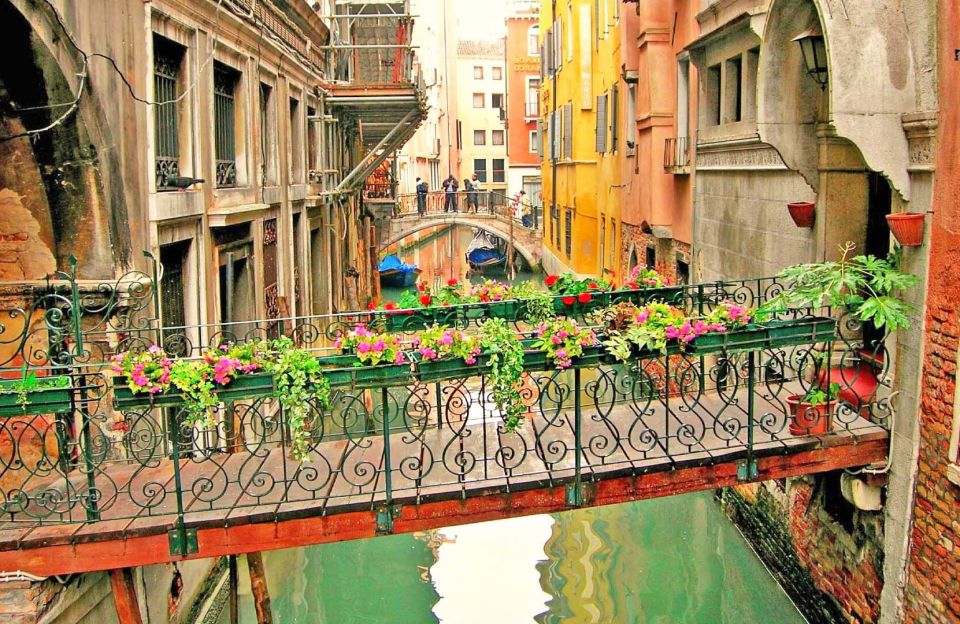
- St. Mark’s Square as your anchor point: Basilica, Palazzo Ducale, and the clock and bell tower area explained as one story.
- Doge-era monuments in Campo SS. Giovanni e Paolo: You’ll see the Doge’s Pantheon area and charity and fortune landmarks.
- Marco Polo’s House stop: A direct tie to the man whose name Venice still wears like a badge.
- Malibran Theatre and the surrounding “in-between” blocks: Not just postcards—also atmosphere.
- Mercerie walk back toward Rialto: A practical way to connect history with everyday shopping streets.
- Optional glass furnace visit: An extra taste of Venice’s famous craft tradition.
Why This 1.5-Hour Venice Walk Makes Sense
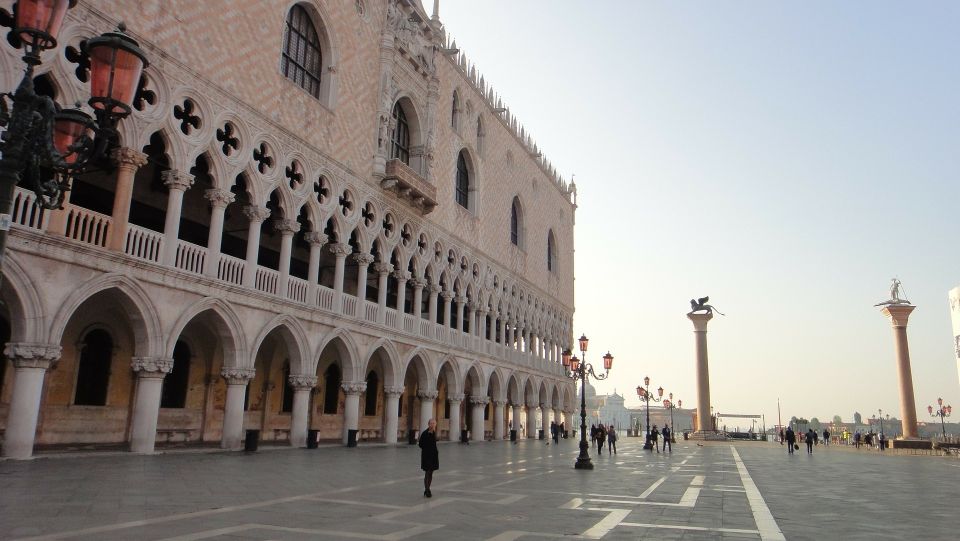
In Venice, time disappears fast. This tour is built for people who want a clear mental map of the city’s center without turning it into an all-day mission.
You get a tight route through the places most visitors only skim. Here, each stop is treated like a chapter: political power at St. Mark’s, civic and religious life at squares, and the human side of Venice around theatres and legends. At 1.5 hours, it also keeps your energy for the rest of the day—whether that’s getting lost on purpose later or grabbing an unhurried snack.
You can also read our reviews of more city tours in Venice
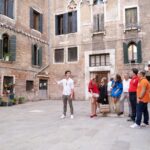
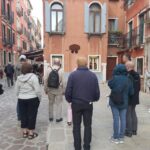
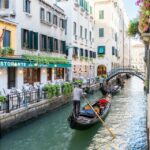
Meeting St. Mark’s Square: Finding the TURIVE Kiosk
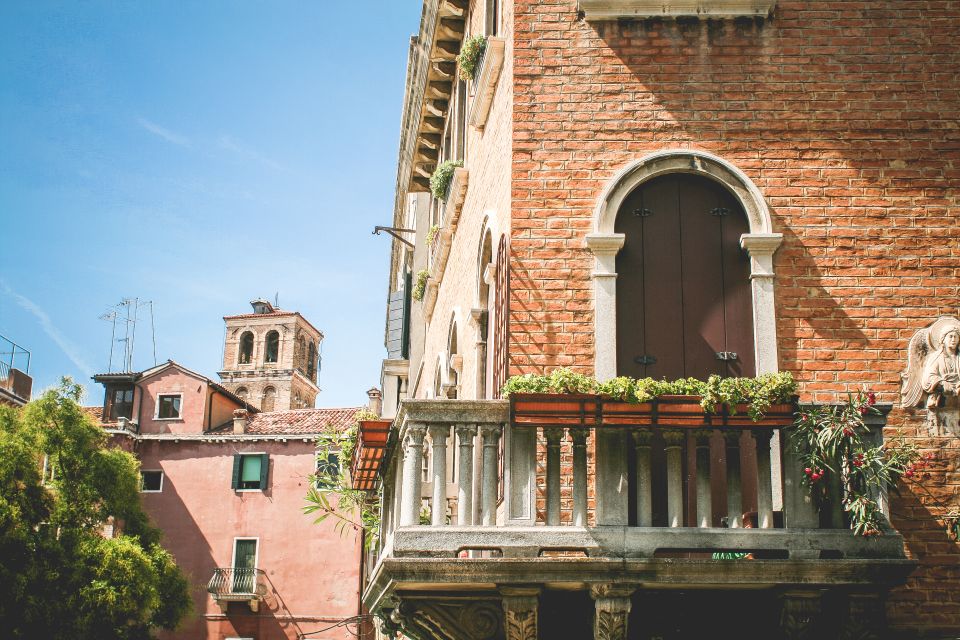
The meeting point is simple if you plan for it: Calle Larga de l’Ascension, in front of the TURIVE kiosk near St. Mark’s Square. Aim to show up about 15 minutes before the scheduled departure time so you’re not rushing when you’re surrounded by turn-after-turn Venice alleyways.
This matters because the tour is short. When a tour is 90 minutes, being late can feel like you’ve missed part of the plot.
Piazza San Marco: The Serenissima in One Stop
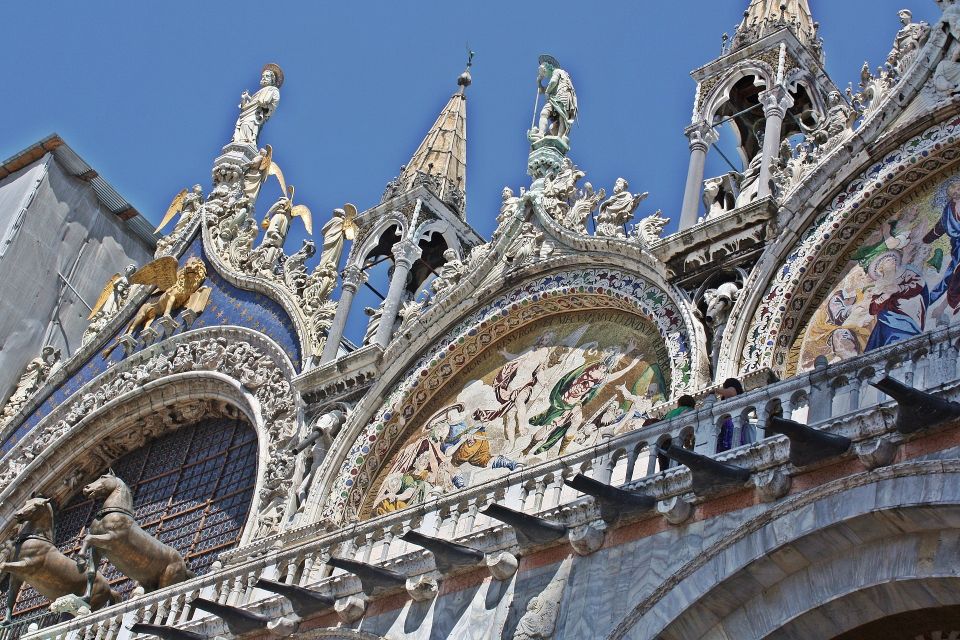
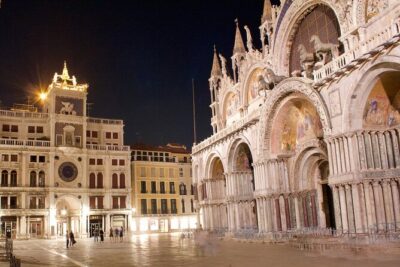
Your route starts at Piazza San Marco, which is basically Venice’s public stage. The tour focuses on how the main monuments relate to each other—so it doesn’t feel like you’re just collecting sights.
You’ll spend time around the big landmarks, including:
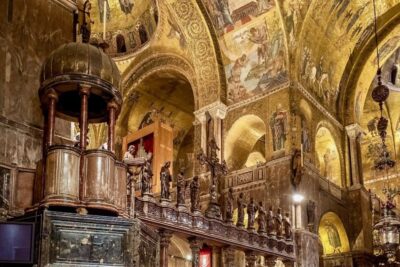
- Basilica San Marco
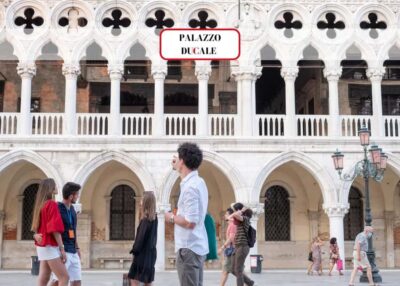
- Palazzo Ducale (the Doge’s Palace area)
- Bell Tower and Clock Tower
- Procuratie
What I like about this approach: it gives you a framework. You start to recognize that St. Mark’s isn’t just a pretty square—it’s a place where Venice showed power, faith, and administration in one visible zone. Once you understand that, the rest of the walk clicks faster.
Also, the guide’s job here is practical: explain origins, history, and what you’re looking at. That’s a big value add in a city where many buildings look similar until you know what each one is.
Santa Maria Formosa Square: A More Local-Looking Pause
Next comes Santa Maria Formosa Square, a stop that helps shift the mood from the formal, ceremonial feel of St. Mark’s. This square is described as “characteristic,” and you’ll hear the history and anecdotes tied to the location.
Why this is worth including: it keeps the story from turning into pure monuments. You get a sense of how Venice’s civic life played out in smaller public spaces. Squares like this are where you start to feel how the city functions day to day.
If you’re the type who likes to understand where people gather—not only where rulers built power—this is a good moment to slow down.
Campo SS. Giovanni e Paolo: Doge Power, Charity, and Fortune
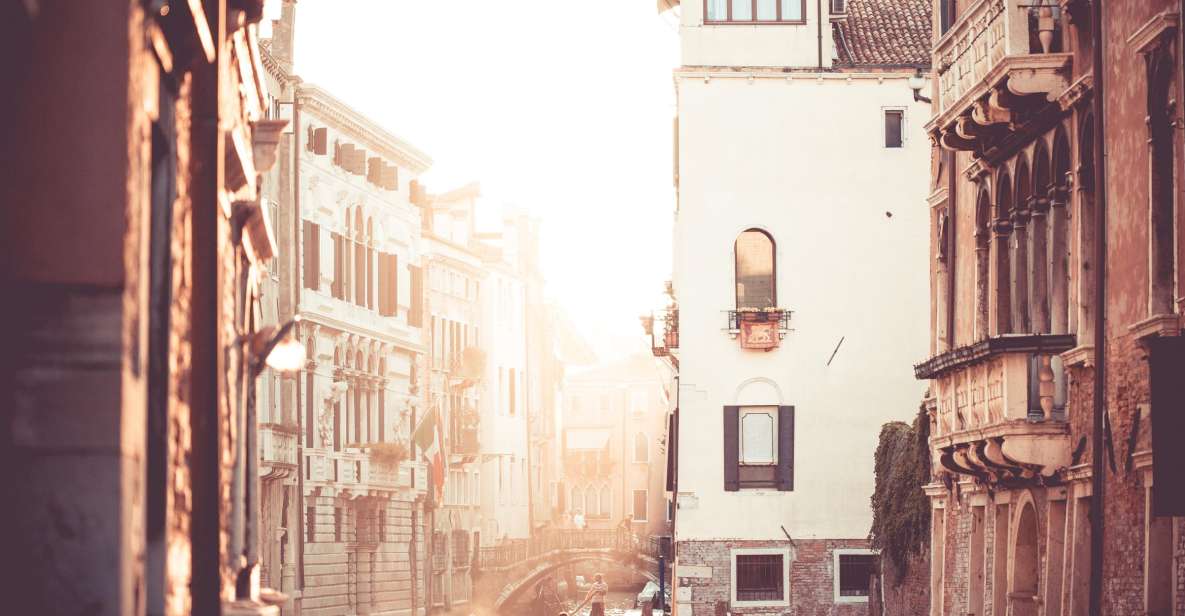
Then you head to Campo SS. Giovanni e Paolo, often called the Doge’s Pantheon area. This is one of the most meaningful zones on the route because it concentrates multiple layers of Venice’s identity: rulership, ceremony, and social institutions.
You’ll see and learn about:
- the Doge’s Pantheon connection
- the Great School of Charity
- Captains of Fortune
Here’s the practical takeaway: Venice wasn’t only about marble and ceremony. It also ran on systems of governance and social support, plus the stories of the men whose names became part of the city’s memory.
That’s why this stop works even if you’re not a hardcore architecture person. You’re getting context you can carry into your next walks on your own.


Marco Polo’s House and Malibran Theatre: Legends Meet Street Life
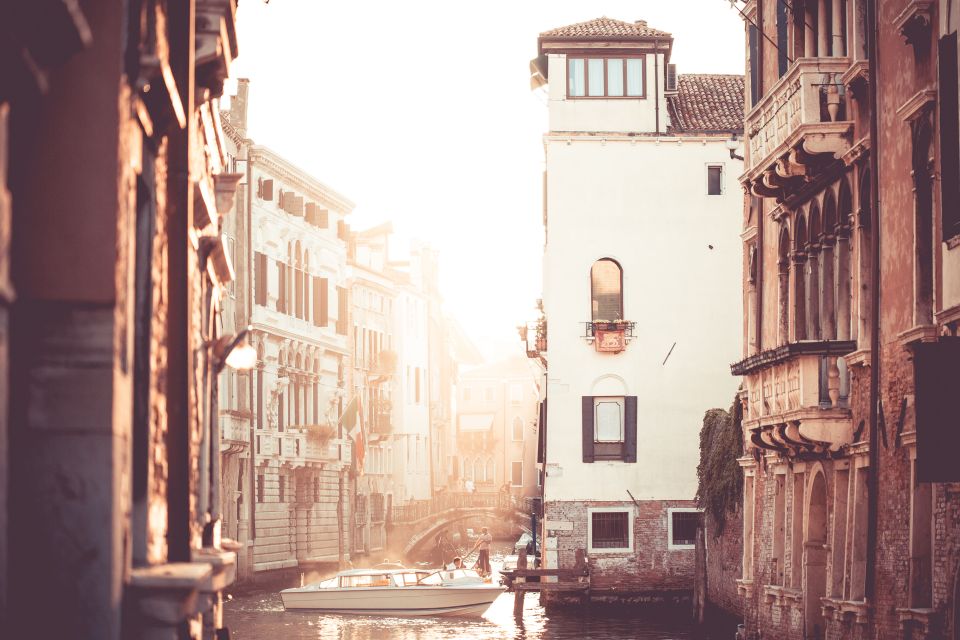
From there, the tour turns toward the Marco Polo’s House area and continues to Malibran Theatre. This part is about crossing the threads of past and more recent life, in the corner of Venice where history and daily rhythm share the same streets.
Marco Polo’s presence is more than branding. You’ll hear anecdotes connected to him, and that helps turn a name on a map into a living reference point.
Then Malibran Theatre adds a different flavor. Instead of only “how Venice ruled,” this is “how Venice expressed culture.” A theatre stop is also a nice break from stone and square-heavy sightseeing—it encourages you to look at the surrounding streets and scale of the city.
One note on guide delivery: I saw mention of a guide named Silvana who gave lots of information but was described as not especially passionate in the delivery. If you care a lot about theatrical storytelling, that’s worth keeping in mind—still, the format aims to keep the facts moving.
Mercerie to San Marco: Walking the Connection Toward Rialto
Now the tour brings you back toward San Marco using the Mercerie. This is a key piece for anyone who wants Venice to make sense geographically.
The Mercerie are described as a vital connection between Rialto and San Marco, and you’ll see why this matters. It’s not just a route; it’s one of the main ways you experience the city’s movement and everyday shopping street energy while still staying close to landmark territory.
Why I like this segment: it helps you stop thinking of Venice as separate attractions. After this, you can understand your own later wandering. You’ll know which streets tend to link what, which makes independent sightseeing feel smoother.
If you’re the kind of person who likes to plan a second half of the day around a location you already learned, this return-to-San Marco path is a helpful gift.
Optional Glass Furnace: What the Add-On Gives You
At the end, there’s an optional visit connected to a glass furnace—framed as a touch of Venice’s greatest art. I’d treat this as a bonus, not the main reason for booking.
Even if you only see it briefly, glass-making adds a different layer to your Venice understanding. Monuments explain who Venice was in power mode. Glass helps you see what Venice became in craft mode.
If you’re even mildly curious about how Venice turned creativity into exportable skill, the optional stop is a good choice. If you’re short on energy, you can skip without feeling like you missed the tour’s core storyline.
Price and Value: Is $41 Worth 90 Minutes?
At $41 per person for about 1.5 hours, the price is reasonable for Venice, mainly because you’re paying for three things that are hard to replicate solo:
- a licensed guide
- a curated route through major historical nodes
- enough structure to understand what you’re seeing quickly
In other words, you’re not just paying for movement. You’re paying to get meaning attached to the sights, especially around St. Mark’s and the Doge-era Campo area.
If you already have a deep interest in Venice’s civic and ceremonial history, this tour can feel efficient. If you’re mostly “I’ll take photos and keep moving,” you might wonder if you could do a similar loop on your own. For most people who want direction and context, the $41 tag feels like it buys back time and reduces confusion.
Languages and Guide Style: English, German, Spanish, French
The tour runs with a live guide in German, English, Spanish, and French. That’s a big deal in Venice because details get lost fast when you don’t have the right language for names, dates, and the why-behind-the-what.
The key thing: the guide is licensed and the focus is interpretation, not just walking. You’ll hear origins and anecdotes at the squares and monuments, plus context around Marco Polo’s House and Malibran Theatre.
If your language matters for nuance, this schedule and multi-language offering is a practical plus.
Who This Tour Fits Best (and Who Might Skip It)
This works especially well for you if:
- you want an orientation walk through Venice’s core sights
- you like history explained in a walkable way
- you prefer a short, structured tour rather than a long day
It may be less ideal if:
- you hate walking on old streets with a moderate amount of uphill/downhill or uneven ground
- you’re looking for lots of inside time, since this is framed as a walking tour around squares and landmarks
- you want a very personal, dramatic storytelling style (delivery can vary by guide)
Should You Book This Venice Walking Tour?
If you want the fast route to understanding Venice’s central storyline, I’d book it. The combination of St. Mark’s Square, the Doge’s Pantheon zone, Marco Polo’s House, and the Mercerie return path gives you a mental map you can reuse all day.
Book it if you value a guide to connect monuments, squares, and anecdotes into one coherent walk. Skip it if you already know the background and you’d rather spend that money on your own flexible wandering and food stops.
Either way, do yourself a favor: plan comfortable shoes and treat the 1.5 hours as the part of your trip that gives you direction for everything after.
FAQ
How long is the Venice walking tour?
It lasts 1.5 hours.
Where does the tour meet?
Meet at Calle Larga de l’Ascension, in front of the TURIVE kiosk near St. Mark’s Square, about 15 minutes before departure.
What sights are included in the walk?
You’ll cover major stops including St. Mark’s Square, Santa Maria Formosa Square, Campo SS. Giovanni e Paolo, Marco Polo’s House, Malibran Theatre, and the Mercerie connection, with an optional glass furnace visit.
Which languages are available for the live guide?
The guide is available in German, English, Spanish, and French.
Is there an optional stop related to Venetian glass-making?
Yes, there is an optional visit to a glass furnace at the end of the tour.
Is there free cancellation, and how does it work?
You can cancel up to 24 hours in advance for a full refund.