REVIEW · VENICE
Venice: Must-See Attractions Walking Tour
Book on GetYourGuide →Operated by Guydeez Tours · Bookable on GetYourGuide
Venice in three hours, with local context. What I really like is the private guide who keeps the route flexible, so you can steer the day toward architecture, local history, or Renaissance art. You’ll also hit Rialto Fish Market and the key waterfront views without getting lost. One thing to consider: this is a walking tour, and Venice streets can be uneven, so comfortable shoes matter, and the bar stop does not mean a free meal.
I also like that the tour is built around a real sweep of Venice neighborhoods, from busy market energy to quieter canals. Guides here have a strong track record for energy and good pacing, with names like Cecelia, Sneh, Farid, Nazarena, Karen, Vittorio, and Fredo showing up in past tours. If you want a smooth first pass through town, this format is hard to beat, especially since the guide can help with attraction tickets when needed.
In This Review
- Key highlights to notice before you go
- A 3-hour Venice hit list that still feels personal
- Campo San Luca meeting point: why it’s a good start
- Rialto Bridge and the Mercato di Rialto: the iconic start that makes sense
- Basilica dei Frari: when the walk turns from streets to story
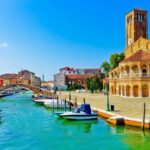
- Campo san Bortolomio and Madonna dell’Orto: quieter Venice with character
- Cannaregio: a neighborhood change you can feel in your feet
- Teatro La Fenice and Palazzo Contarini del Bovolo: artistry with a practical payoff
- Santa Maria della Salute, Ponte dell’Accademia, and San Zaccaria: the view-and-structure wrap-up
- The bar stop: what you actually get, and how to plan for it
- Price and value: is $41 per person a smart deal?
- Timing, pace, and what to bring
- Who this private tour is best for
- Should you book this Venice walking tour?
- FAQ
- Where does the tour start?
- How long is the Venice walking tour?
- Is this tour private?
- Can the itinerary be tailored to my interests?
- What are some of the main stops on the route?
- Are tickets included?
- Is food and wine included?
- What languages are available for the live tour guide?
- What should I bring and is there free cancellation?
Key highlights to notice before you go
- Private, tailorable route: adjust the stops to what you care about most.
- Rialto to Cannaregio coverage: you get both the famous sights and everyday Venice streets.
- Church-and-art stops on the way: Frari, Madonna dell’Orto, San Zaccaria, and more.
- Viewpoints included: you pass La Fenice and end up near strong panorama points like Ponte dell’Accademia.
- Traditional bar stop: you’ll have a chance to order wine and appetizers on the tour route.
- Tickets help from the provider: the activity team supports booking where needed.
A 3-hour Venice hit list that still feels personal

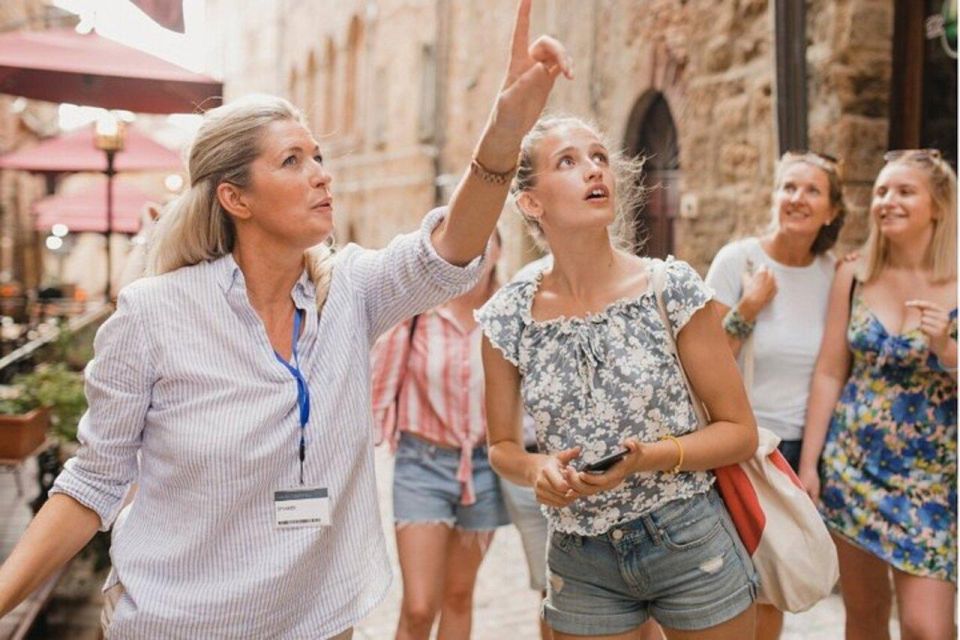
This tour is built for people who want structure without feeling herded. In just three hours, you move through a big chunk of central Venice, guided step-by-step so you spend less time figuring out turns and more time noticing details.
I like the private format because it makes the experience practical. You’re not stuck with a one-size-fits-all script, and you can ask questions as you go. It’s also one of the better ways to orient yourself fast, since the walk connects major landmarks with a couple of neighborhood shifts.
You can also read our reviews of more walking tours in Venice
Campo San Luca meeting point: why it’s a good start
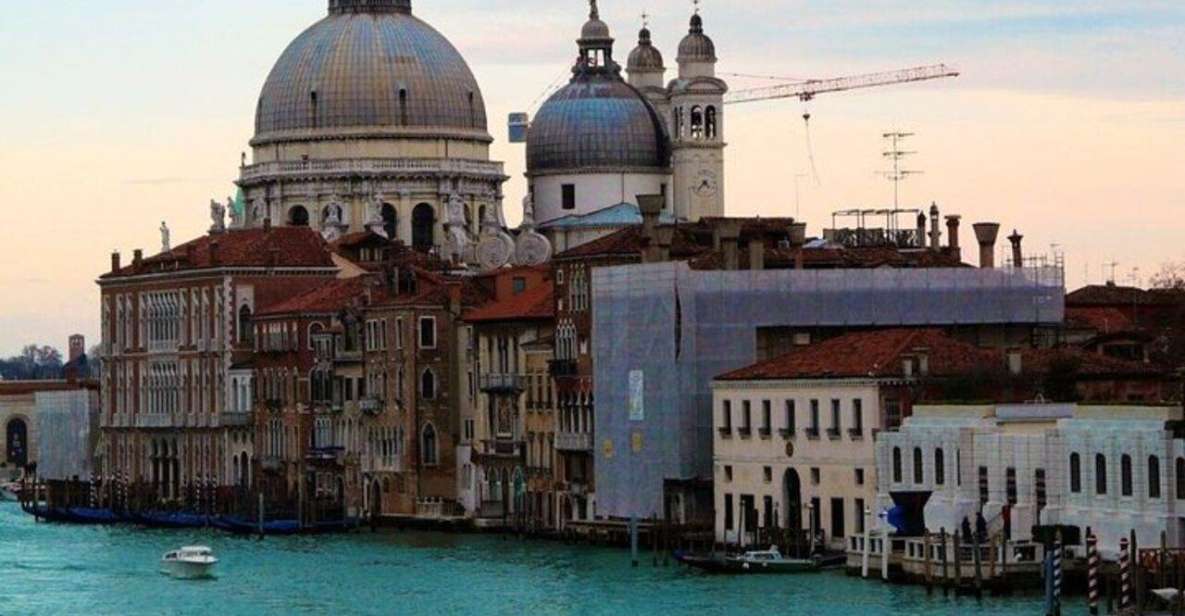
You meet at Campo S. Luca, 4473, which is a solid launching point for heading toward the heart of Venice. Starting on a campo (a square) also helps because you’re not hunting for a hidden meeting door in a maze.
From that first step, the route starts feeding you big-picture Venice: the famous bridge area, market life, then churches and canals, then back toward major viewpoints. That flow matters, because first-time visitors often struggle with where to focus—this walk gives you a logical spine to hang your own wandering from afterward.
Rialto Bridge and the Mercato di Rialto: the iconic start that makes sense
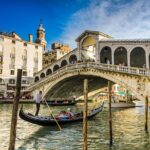
The tour kicks off with the Rialto Bridge area, then moves to the Mercato di Rialto. This is where Venice feels most like Venice in a single glance—dense, human-scale, and built around centuries of trade.
What you’ll get here is more than a postcard stop. The guide’s job is to point out what you’re actually seeing: the market’s role in daily food life and why this area became the city’s commercial magnet. If you love history, this is an easy place to ask questions because the setting practically prompts them.
One practical consideration: Rialto can be crowded and loud. So if you’re sensitive to crowds, keep your expectations realistic—your advantage is having someone steer you through the flow instead of trying to self-navigate.
Basilica dei Frari: when the walk turns from streets to story
After Rialto, the tour shifts into big church territory with a stop at Basilica dei Frari. Churches in Venice aren’t just architecture; they’re also about patronage, power, and how art and faith mixed over time.
This stop is valuable because it slows the pace in a good way. You’re not only moving from one famous exterior to another; you’re getting a context layer that helps you understand why these buildings matter in Venice’s design and identity.
If your goal is Renaissance art or religious art, this is a strong moment to focus your questions. If your priority is pure street-level Venice, you’ll still appreciate it, but the biggest payoff comes when you let the guide connect the building to what you’ve already seen nearby.
Campo san Bortolomio and Madonna dell’Orto: quieter Venice with character
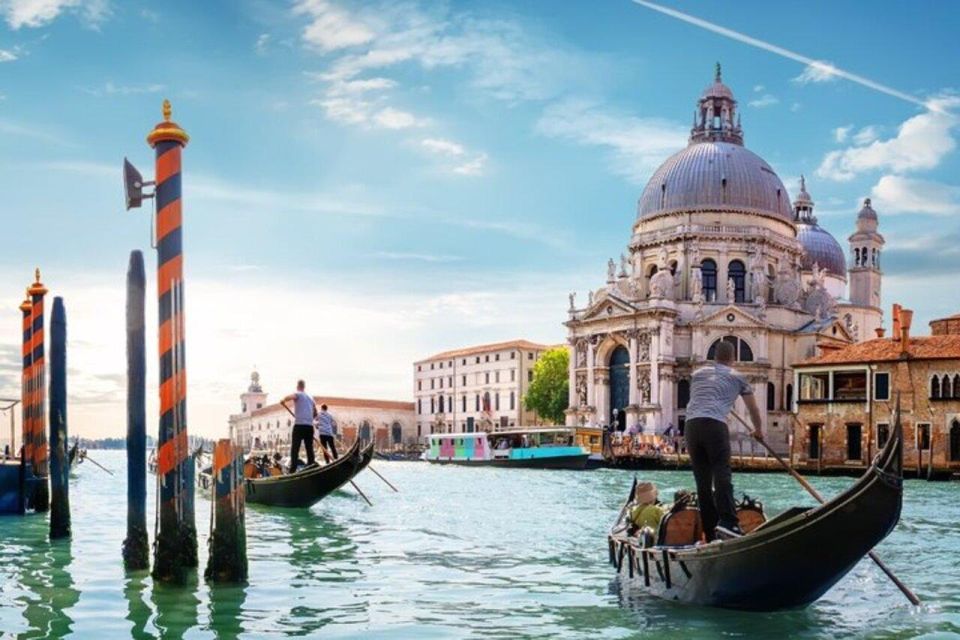
The route continues with stops around Campo san Bortolomio and Madonna dell’Orto. This is where you start getting the Venice that doesn’t live entirely inside the main-tourist camera frame.
I like this portion because it helps you balance out the famous stops. Instead of only seeing major landmarks, you get a feel for local rhythm—how squares and neighborhoods work as social spaces, and how religious buildings fit into daily movement.
These stops can be especially rewarding if you’re the type who enjoys small changes: a different street geometry, a different canal view angle, or simply the shift from market noise into calmer corners.

Cannaregio: a neighborhood change you can feel in your feet
Cannaregio is one of the major Venice quarters, and it’s a key stop on this walking route. The benefit isn’t just the name on a map; it’s the way the streets start to feel different from the Rialto area.
I find Cannaregio useful for two reasons. First, it helps you understand Venice as more than a “greatest hits” collection. Second, the guide can point out local history or architectural cues you might otherwise miss—especially in the way the streets connect to the canals.
If you’re short on time, Cannaregio gives you a taste of a Venice that’s lived in. It’s also a good moment to tell your guide what you want more of, since the tour is designed to be tailored.
Teatro La Fenice and Palazzo Contarini del Bovolo: artistry with a practical payoff
The tour makes an art-and-architecture move with a stop at Teatro La Fenice. Even if you don’t go inside (ticketing depends on what’s available), seeing it in context is useful because it anchors the city’s creative side.
Then you reach Palazzo Contarini del Bovolo. This is a standout for a different reason: it’s the kind of landmark you understand better when you’re close to it. It’s also a natural photo moment because the details show up best when you stop and actually look, not when you rush by.
From a review-style practicality standpoint, these two stops matter because they give your brain a break from crowds while still delivering big Venice imagery. You’ll walk away with landmarks you can point to later when you’re deciding where to wander next.
Santa Maria della Salute, Ponte dell’Accademia, and San Zaccaria: the view-and-structure wrap-up
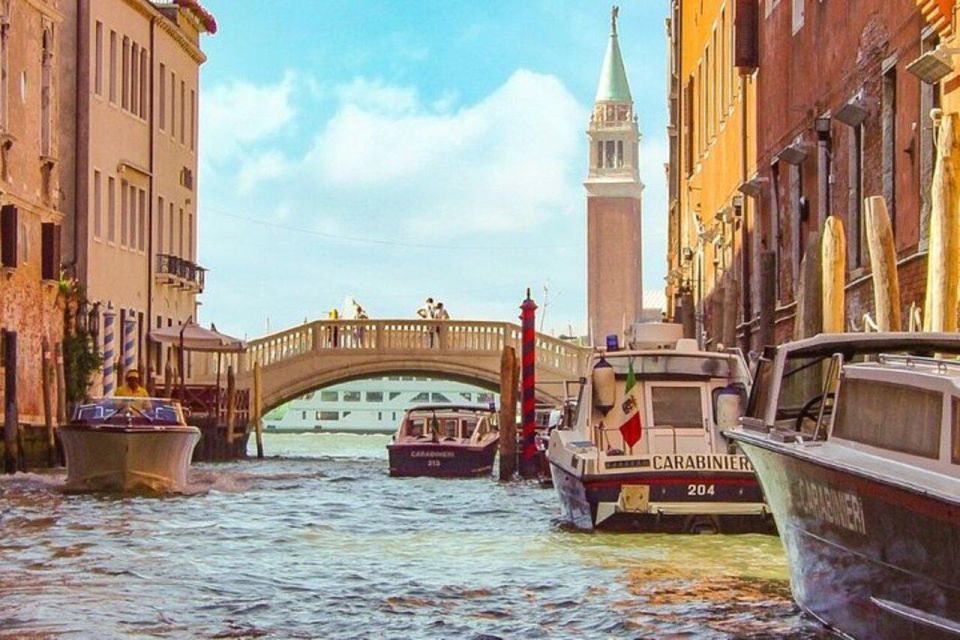
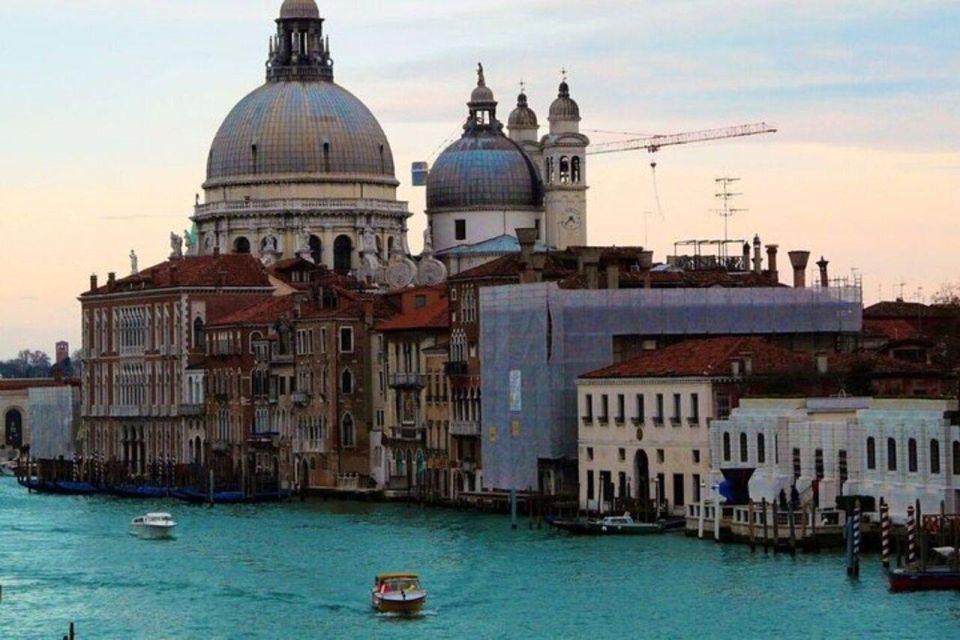
As the walk continues, you reach Santa Maria della Salute, then Ponte dell’Accademia, and finally San Zaccaria. This end section is a smart arc because it mixes monumental architecture with strong waterfront sightlines.
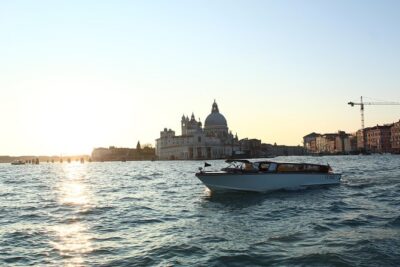
Santa Maria della Salute is a powerful visual anchor, and it helps make sense of Venice’s “building-forward” look—where the architecture often shapes how you perceive the water. Ponte dell’Accademia is a great transition point because it puts you near a major crossing and prompts good conversation about how movement and design work in the city.
San Zaccaria rounds it out with another religious landmark, tying the walk back to the city’s long artistic and cultural threads. If you want a tour that leaves you with a clear mental map, this trio does the job.
The bar stop: what you actually get, and how to plan for it
One highlight is the stop at a traditional Venetian bar for wine and appetizers. Here’s the practical angle: food and drinks are listed as not included, so you should treat this as your chance to order if you want it, not a meal ticket built into the price.
I like this kind of stop because it breaks the walking rhythm and gives you a normal-life Venice moment. It also helps you confirm what you want to keep exploring afterward—if you love your snack choice, you’ll know what to look for on your own.
If you have dietary needs, ask your guide early. The tour route and timing don’t suggest you’ll have a long sit-down, so a quick heads-up goes a long way.
Price and value: is $41 per person a smart deal?
At $41 per person for a private three-hour walking tour, you’re paying for four things that matter in Venice. You’re paying for a guide to keep the day organized, for the chance to tailor your interests, for help with attraction tickets when needed, and for the routing efficiency of a guided path through central sights.
The value gets even better because the itinerary is not only “see it, move on.” The guide is there to explain context—architecture, local history, and art—so your photos end up meaning more than just a pretty scene.
The one “value trade-off” is that you still have to cover food and drinks yourself if you want the bar stop treats. If you’re someone who likes to keep costs tight, plan to bring water and keep expectations realistic about ordering at the bar.
Timing, pace, and what to bring
This is a three-hour walking experience, and the pacing is a big part of why people rate it highly. Past tours highlight guides who keep the walk fun, answer questions, and adjust tempo to conditions, including hot weather.
For you, the simple prep list is straightforward: bring comfortable shoes. Add a water plan, and keep a light layer in mind because weather can shift quickly near the water.
Also, because the guide can tailor what you focus on, think about your top two priorities before you meet. If you’re all-in on churches, say so. If you want more neighborhood feel, say that too. The tour is built to respond.
Who this private tour is best for
This tour shines if you’re in Venice for a short stay and want an efficient first orientation. It’s also a great fit if you like asking questions and getting direction on where to go next after the walk.
If you’re someone who enjoys a mix—major landmarks plus real neighborhoods like Cannaregio—this route matches that style well. It’s also a good option if you want the convenience of ticket help, since attraction tickets can be part of the day depending on what you choose to see.
Wheelchair accessibility is listed for the activity, and it’s a plus if you need a guided route rather than self-navigation in crowds. Just keep in mind that any walking route in historic Venice can be uneven, so plan for comfort and use whatever mobility support you rely on.
Should you book this Venice walking tour?
Book it if you want a fast, guided route through Rialto, Cannaregio, major churches, and landmark viewpoints in a private format with the ability to tailor your interests. It’s also a smart choice if you’d rather pay a reasonable guide fee than spend your limited time wandering in circles.
Skip it if you hate walking, expect the bar stop to be fully included, or want a long museum-style experience. Venice is big, and three hours is a taste, not a full course—but it’s a taste that sets you up to explore well afterward.
FAQ
Where does the tour start?
It starts at Campo S. Luca, 4473.
How long is the Venice walking tour?
The duration is 3 hours.
Is this tour private?
Yes, it’s a private guided walking tour.
Can the itinerary be tailored to my interests?
Yes. The route can be tailored based on what you’re most interested in, such as architecture, local history, or Renaissance art.
What are some of the main stops on the route?
The tour includes stops around Rialto Bridge and Mercato di Rialto, plus Basilica dei Frari, Cannaregio, Teatro La Fenice, Palazzo Contarini del Bovolo, Santa Maria della Salute, Ponte dell’Accademia, and San Zaccaria.
Are tickets included?
Tickets are not listed as included. However, the provider helps with booking tickets for attractions.
Is food and wine included?
Food and drinks are not included. The tour includes a stop at a traditional Venetian bar where you can enjoy wine and appetizers.
What languages are available for the live tour guide?
The guide is available in French, Spanish, Italian, and English.
What should I bring and is there free cancellation?
Bring comfortable shoes. Free cancellation is available up to 24 hours in advance for a full refund.