REVIEW · VENICE
Friendinvenice Cannaregio &Jewish Heritage- private tour
Book on Viator →Operated by Friend in Venice Private Tours · Bookable on Viator
Venice can feel like a postcard. Then Cannaregio changes the picture. This private tour gives you a personal walk through Venice’s everyday side, plus the big Jewish history that sits right inside the city’s streets. You spend time in Cannaregio (2 hours), the Ghetto Ebraico (1 hour), and finish with Tintoretto’s house area in Cannaregio (about 10 minutes).
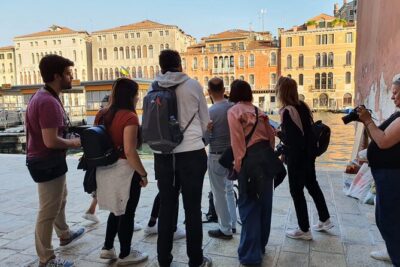
What I like most is the way the guide keeps the facts grounded in how Venice actually works—small traditions, local hangouts, and neighborhood rhythms—so history doesn’t sit in a museum box. I also like that it’s private, so your guide can adjust to your interests; in one review, the guest specifically praised Giorgia’s friendliness, depth, and customization. One thing to consider: you’ll be on foot through Venice’s calli and fondamente for about 3 hours, so bring comfy shoes and expect some crowd-flow on approach to the Ghetto.
In This Review
- Key Reasons This Jewish Heritage Tour Works
- Cannaregio: where Venetian daily life still shows through
- The Jewish Ghetto: 1516 rules, identity, and endurance
- Tintoretto’s house in Cannaregio: Gothic façade and personal symbols
- How the 3-hour private format helps (and where it might not)
- Price and value: is $162.31 per person worth it?
- What to do before you go (so the tour lands better)
- Should you book this Jewish Heritage tour?
- FAQ
- What is the duration of the Friendinvenice Cannaregio & Jewish Heritage private tour?
- Where does the tour take place?
- Is it a private tour?
- Do you offer pickup in Venice?
- What languages is the tour offered in?
- What stops are included?
- Are admission tickets included?
- Is there any access fee to know about?
- Is a mobile ticket used?
- What is the cancellation policy?
Key Reasons This Jewish Heritage Tour Works

- Private and personal: only your group participates, with pickup offered from any hotel in Venice.
- Cannaregio’s texture: you get the district’s reed-marsh origins, plus local life like bacari and rowing culture (Voga Veneta).
- Ghetto Ebraico with context: the guide explains the Republic’s 1516 decree and how rules shaped daily life.
- Tintoretto connection: you see the Tintoretto house details in Cannaregio, including Gothic architecture and façade symbols.
- Tickets handled: admission is free at Cannaregio and included for the Ghetto and Tintoretto stop.
Cannaregio: where Venetian daily life still shows through
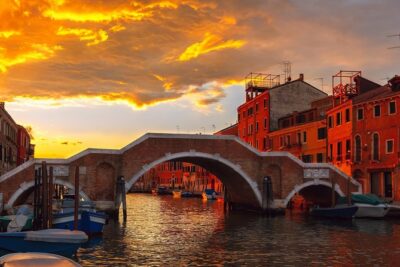
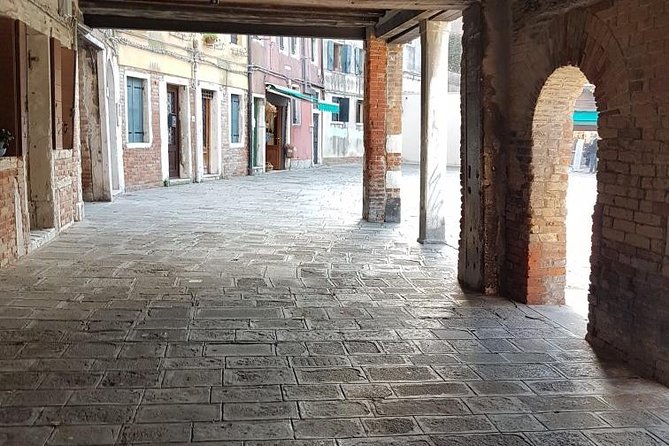
Cannaregio is the kind of Venice that helps you understand the city’s real personality. It’s second only to Castello as an extension and population, and the tour frames its name as coming from ancient reed marshes—soft geography that turned into hard urban fabric over time. That matters because when you hear the origin, you notice how Venice keeps reinventing itself while still clinging to older ways.
The walking time here is about 2 hours, and that’s a good chunk. You’re not just passing through; you’re meant to look. The focus is on what survives modernity and big-tour pressure: you can still see Venetian traditions that feel more lived-in than staged. On this part, you’ll have a chance to spot the typical bacari, the local bars residents return to, not just the photo stops.
You also get cultural texture beyond food. One of the most interesting threads is the reference to children and local games—small scenes that make the neighborhood feel like a place people actually live. And if you look toward the water, you’ll hear about Voga Veneta (Venetian rowing) and why Cannaregio has rowing associations. The tour notes facilities near Campo Sant’Alvise, with equipment for hauling boats in the lagoon, plus practice away from heavy motor traffic—where waters can be calmer and less intrusive.
Practical tip: plan on slowing down. Cannaregio rewards people who pause, watch, and let the guide’s story guide your eyes.
You can also read our reviews of more private tours in Venice


The Jewish Ghetto: 1516 rules, identity, and endurance
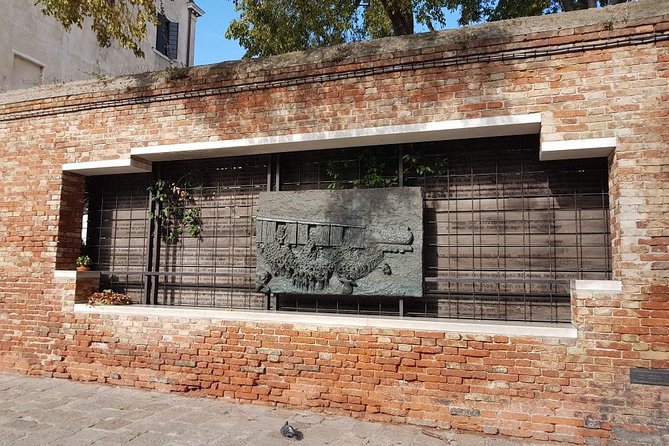
Then you shift from neighborhood life to one of the most important historical areas in Venice: Ghetto Ebraico. This stop runs about 1 hour, and the goal isn’t just to say what happened. It’s to explain how the Venetian Republic organized Jewish presence—through both restriction and protection—and how those policies shaped community life.
The tour centers on a major turning point: on March 29, 1516, the Republic enacted a decree to organize Jewish life in Venice. The language is specific: Jews were obliged to live in an area tied to old foundries—called “geti” in Venetian—wear an identification sign, and manage pawnshops at rates established by the Serenissima.
Yes, those are harsh details. But the guide also includes the exchange. The community was granted freedom to practice faith and protection in the event of war. That balance—restriction paired with permission and defense—helps you understand why the story isn’t simply one note. It’s a complex system where identity had to stay coherent under pressure. In a review, the guide’s approach was praised as sensitive and careful, and the emphasis on learning history to prevent repeating mistakes comes through in how the Ghetto is presented.
Why this stop is so valuable: Venice history often gets reduced to art, palaces, and canals. Here, you see how a city’s laws and institutions affected real people’s days. When your guide walks you through the area with that framing, you’re not just sightseeing—you’re building a clearer picture of European history.
Tintoretto’s house in Cannaregio: Gothic façade and personal symbols
The last stop is short—about 10 minutes—but it’s packed with meaning because it connects you to a real address from Jacopo Robusti’s life. Tintoretto’s house sits in Cannaregio along Fondamenta dei Mori, near Campo dei Mori.
The tour lays out a few key details you can actually look for. The house is a tall, narrow Gothic building from the 15th century. It has a beautiful three-light window on the first noble floor. On the façade, you’re told to look for a plaque reminding posterity of Tintoretto’s home, plus a small marble statue of Hercules with a club—a tradition that says Tintoretto placed it there himself.
Then there’s a second cluster of symbolism: a statue of an Arab on the left of the entrance door. The tour explains it as part of a series of four figures that begins at Campo dei Mori. This is the kind of detail that’s easy to miss on your own, because you’re busy trying to follow the canal and the crowd. With a guide pointing it out, the building becomes more than a photo background.
You also get the timeline. Jacopo Robusti—born 1519–1594, known as Tintoretto because his father was a dyer—lived in this house during his life, with a break when he went to the court of the Gonzagas of Mantua between 1590 and 1593.
The tour also broadens the Tintoretto story in a helpful way. You’re reminded that there are works across Venice: in the Scuola Grande di San Rocco (where he painted for 25 years, between 1563 and 1588), at the Gallerie dell’Accademia, and the enormous canvas Il Paradiso (about 170 square meters) which is still on the entrance wall of the Sala del Maggior Consiglio in Palazzo Ducale. Even his frescoed palace façade works are mentioned, along with the fact that traces have virtually disappeared.
If you like art history, this stop gives you a grounded reference point: you’re not just hearing about masterpieces in distant rooms—you’re standing where the artist lived. And because admission is included for this stop, it keeps the experience smooth.
How the 3-hour private format helps (and where it might not)
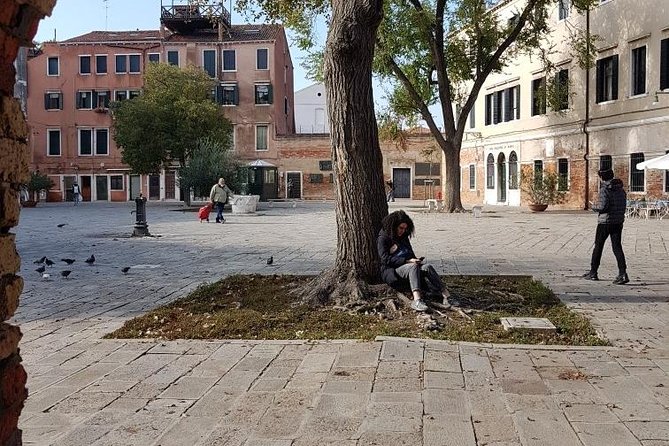
This is listed as roughly 3 hours, with a private setup and multiple start times. The private part is doing real work here. You’re not racing through three locations on a crowded schedule. Your guide can slow down where you want to linger—especially valuable for the Ghetto, where the story benefits from pacing and respectful attention.
Pickup is also offered: the meeting is off any hotel in Venice, which is genuinely useful. Many Venice tours start at a central point and make you fight for your own way in. Here, you can cut down on that stress.
Language is English, and the tour includes a mobile ticket, which usually means fewer paper hassles when you’re already juggling so much in Venice.
The main limitation is physical: three hours of walking in old-city surfaces isn’t huge, but it adds up. If you’re planning this alongside longer museum days, keep your feet in mind.
Also, if you’re relying on public transit connections, the tour notes it’s near public transportation, which helps. Service animals are allowed too.
Price and value: is $162.31 per person worth it?

At $162.31 per person for about three hours, you’re paying for a few things that matter in Venice: private attention, English guidance, and a route that doesn’t just skim the headline sights.
Here’s the value math I see:
- You get three meaningful stops rather than a quick overview.
- Admissions are handled in part: Cannaregio is free; the Ghetto stop includes admission; Tintoretto’s house stop includes admission.
- You get pickup from your Venice hotel, which saves time and avoids navigation friction.
- The guide (Giorgia) is praised for being friendly, extremely knowledgeable, and able to customize parts to your interests.
If you’re traveling with someone who wants a more personal pace, or you care about Jewish heritage history in a way that goes beyond surface facts, this price starts to make sense fast. If you’re mainly trying to sample Venice basics and don’t care much about history, you might find cheaper options—but this one is built around story, not just scenery.
You can also read our reviews of more historical tours in Venice




What to do before you go (so the tour lands better)
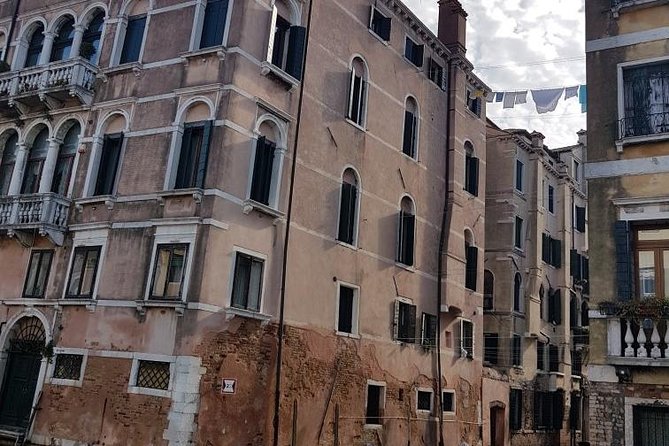
This tour moves from neighborhood life to a heavy historical zone and then to art-adjacent architecture. You don’t need to memorize dates. But you’ll get more if you come with a couple of mental bookmarks:
- In the Ghetto, watch for the idea of organization through law—permission paired with rules.
- In Cannaregio, pay attention to the living, everyday signs of continuity (bacari, games, rowing culture).
- At Tintoretto’s house, look at façade details the guide points out (the three-light window, plaque, Hercules statue, and the Arab statue).
Shoes matter. Venice isn’t built for fast walking. Go for comfort over style. And since you’ll be outdoors most of the time, plan for weather swings.
One more logistics note: there may be a €5 access fee on certain dates for travelers staying outside Venice who are visiting for the day. That’s not universal, but it’s worth checking around your travel dates so you don’t get surprised.
Should you book this Jewish Heritage tour?
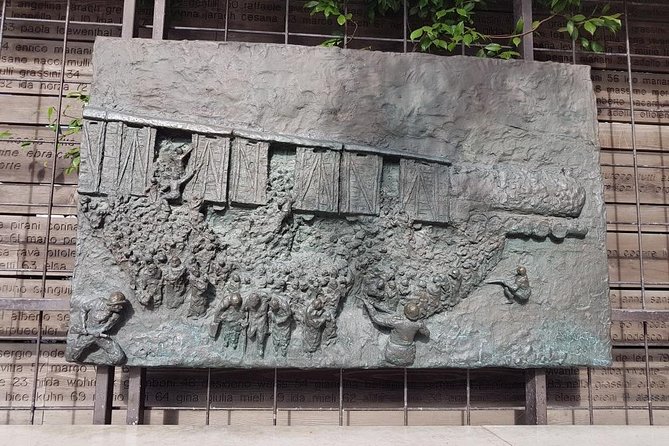
I think this is a strong pick if you want Venice with context. The route makes sense: Cannaregio shows how local culture still functions; the Ghetto stop gives the historical backbone of Jewish life in Venice; and the Tintoretto house adds a human, place-based art connection without turning the day into a museum marathon.
It’s also a good choice if you like thoughtful guides. Giorgia comes through in the feedback as knowledgeable and warm, and the ability to tailor parts of the tour to your interests is exactly what makes private worth paying for.
Skip it if you want a purely scenic, minimal-walking experience or if art/heritage history isn’t your thing. But if you want to understand Venice as a lived-in city—laws, identities, neighborhoods, and artists tied to addresses—book it.
FAQ
What is the duration of the Friendinvenice Cannaregio & Jewish Heritage private tour?
The tour is listed at about 3 hours.
Where does the tour take place?
It takes place in Venice, Italy, focusing on the Cannaregio district, including Ghetto Ebraico and stops related to Tintoretto’s house.
Is it a private tour?
Yes. Only your group participates.
Do you offer pickup in Venice?
Yes. Pickup is offered from any hotel in Venice.
What languages is the tour offered in?
The tour is offered in English.
What stops are included?
The tour includes Cannaregio, the Ghetto Ebraico, and Casa del Tintoretto (Tintoretto’s house area).
Are admission tickets included?
Admission is free for the Cannaregio stop. Admission is included for the Ghetto Ebraico stop and for Casa del Tintoretto.
Is there any access fee to know about?
On certain dates, most travelers staying outside of Venice and visiting for the day may be required to pay a €5 access fee.
Is a mobile ticket used?
Yes, the tour offers a mobile ticket.
What is the cancellation policy?
Free cancellation is available. You can cancel up to 24 hours in advance for a full refund.