REVIEW · VENICE
Private 4 hours North Lagoon: Traditional Venetian Boat Tour
Book on GetYourGuide →Operated by Tootsy · Bookable on GetYourGuide
Venice looks best when you stop chasing landmarks. This private North Lagoon boat tour turns the lagoon itself into the main attraction, with shallow-water sailing you just can’t replicate from the street. I love the slow, close-up feel of a traditional flat-bottom boat gliding between canals and sandbanks, and I love that the itinerary is 100% customizable so you can favor birds, low-lying saltmarsh views, or the islands you care about most.
Here’s the one catch to plan around: your time on each featured island is limited (Murano and Burano include about an hour each), so you’ll want to be decisive—and if you want extra sightseeing off the boat, the guide will not be able to leave the boat with you.
In This Review
- North Lagoon by traditional boat: what makes this feel special
- A 4-hour private format that you can actually shape
- Murano’s glass factory access (free entry) and what you’ll do in one hour
- Burano’s hour: lace-colored houses and canal views on your timetable
- The lagoon stops that make it feel like Venice’s real system
- Sant’Erasmo and the 12th-century San Francesco del Deserto
- Lazzaretto Novo: the lagoon’s quarantine history, reached only by boat
- Skipper-guided history, plus the comfort of sailing between islands
- Price and value: is $447.18 for up to 2 worth it?
- Who should book this (and a few smart practical tips)
- Should you book the Private 4 hours North Lagoon tour?
- FAQ
- What’s the duration of the North Lagoon boat tour?
- Is this tour private?
- Where do we meet, and where does the tour end?
- Does the price include Murano glass factory entry?
- What islands are typically visited?
- Are food and museum tickets included?
North Lagoon by traditional boat: what makes this feel special
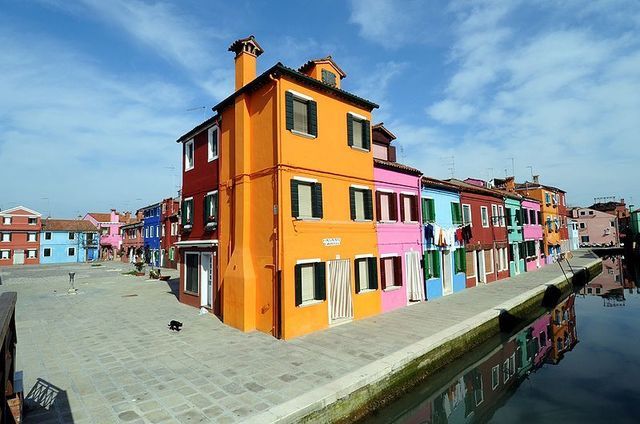
Most Venice trips are built around big sights. This one starts from the waterline and then works outward, letting you see why the lagoon is a World Heritage Site. The boat’s design matters: the flat bottom can handle the lagoon’s shallows and reach scenic corners that bigger boats often avoid.
That means you get more than pretty views. You get the shape of Venice as a watery system—where sandbanks, shallow channels, and saltmarsh areas define what’s possible. If you’re the kind of traveler who likes the practical side of places (how something works, not just how it looks), this route is a sweet spot.
Expect plenty of cruising time, plus commentary on Venetian history and the origins of Venice from your skipper and guide. One name that comes up in feedback is Tomasso, praised for telling the story of La Serenissima from its foundation in a way that stays easy to follow.
A 4-hour private format that you can actually shape
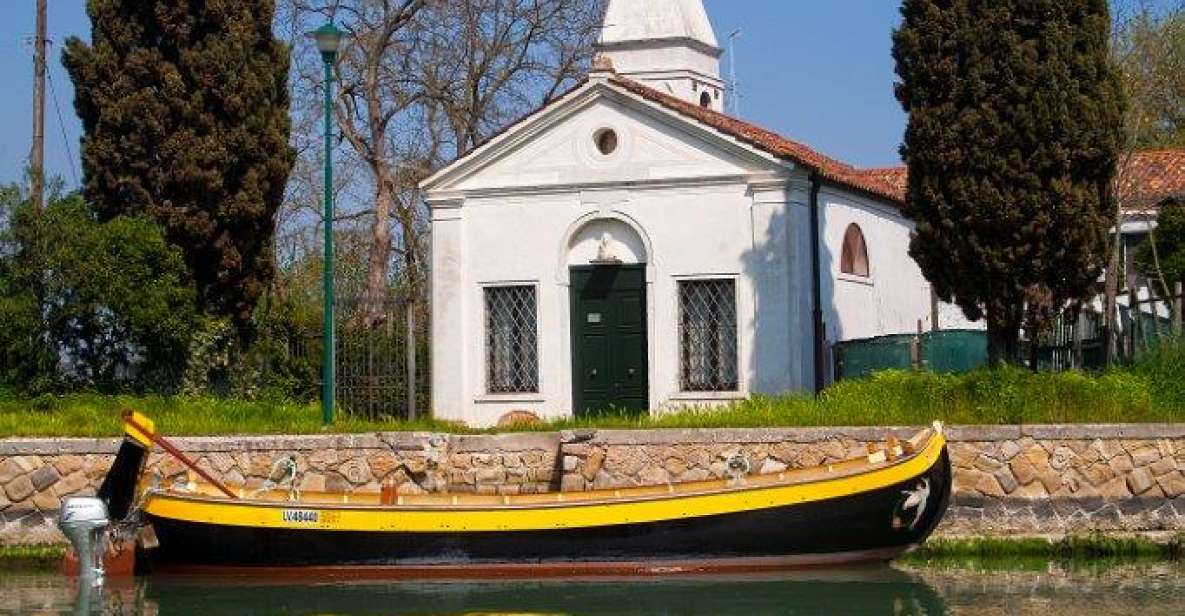
This is a private group tour, so the schedule is designed for your pace—not a conveyor belt. You’ll sail for about four hours, with the option to build the stops around what you want most. The core plan commonly includes Murano and Burano, with an hour on each, but you can swap priorities.
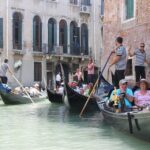
A helpful detail: the boat you ride can change based on group size. Under 5 participants use the Sampierotta boat, while groups of 6 or more use the Bragozzo. Either way, you’re in a traditional-style vessel built for lagoon cruising, not a modern tourist bus pretending it’s special.
Also keep in mind the guide’s role. The tour includes a skipper and guide, but the guide will not be able to leave the boat with you at any point. That doesn’t make the stops impossible—it just means you’ll want to plan quick walks, clear meeting points in your head, and a pace that fits a moving vessel.
You can also read our reviews of more boat tours in Venice


Murano’s glass factory access (free entry) and what you’ll do in one hour
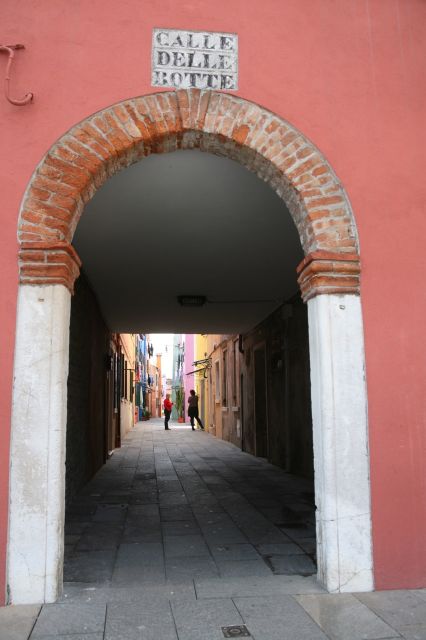
Murano is the headline for many visitors. What makes your time here feel different is that the glass factory entrance is included. You get free access to a glass factory, which lets you watch the craft side of the story instead of just browsing shops later.
In about an hour, you’re not looking for a long educational program. You’re looking for the fundamentals: the feel of the workspace, the process behind Venetian glassmaking, and why Murano became so tightly linked to it. If you’ve ever wondered how a glass tradition turns into an industry, this is one of the most direct ways to answer it—without turning the day into a museum crawl.
One practical note: museums aren’t part of the included price. So if you’re hoping for extra interior ticketed attractions on top of the glass factory, you’ll need to budget time and separate tickets.
Burano’s hour: lace-colored houses and canal views on your timetable
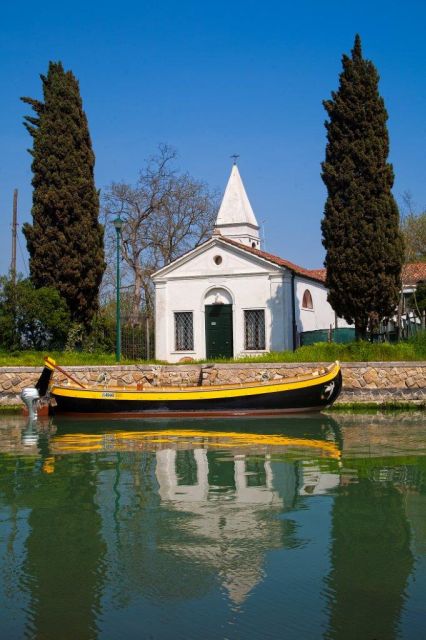
Burano works best when you treat it like a small, walk-and-look island rather than a checklist. Your stop is about an hour, so you’ll want to use that time for the things you’ll remember: the colored houses, the quiet canals, and the general feel of the island.
Because this tour is customizable, you can also decide how much you care about Murano versus Burano. If Murano’s glass is your top goal, you’ll likely keep both in the plan. If you’d rather spend more time photographing the lagoon edge, you may choose to shift some focus toward the other islands.
And if you want a specific flavor—like low-lying views and bird life—this style of itinerary can actually support that. The North Lagoon has a way of rewarding travelers who look slightly beyond the postcard.
The lagoon stops that make it feel like Venice’s real system
This is where the North Lagoon starts to separate itself from the typical Venice fantasy. Along the way, you may cruise past Torcello and Mazzorbo, and you can also include the cemetery island of San Michele. These areas change the mood fast.
Here’s why they’re worth your attention:
- Torcello and nearby channels tend to make the lagoon feel ancient and wind-shaped—less busy, more open, and very much about water first.
- Mazzorbo helps you connect Venice’s lagoon life to the smaller, quieter islands around it.
- San Michele is the cemetery island stop, which adds a solemn note to an otherwise scenic ride.
Your route also includes natural features you can only really see by boat—like shallow waters and a saltmarsh that hints at what Venice looked like before it was engineered into something more stable. That alone is a good reason to choose this tour over a simple island hopping day.
If birds are your thing, the North Lagoon tends to deliver more of that “pause and watch” feeling than the main tourist routes.
Sant’Erasmo and the 12th-century San Francesco del Deserto
If you want the lagoon to feel lived-in—not just scenic—Sant’Erasmo is often the kind of stop that earns its keep. It’s described as the Garden of Venice, and even with a brief time, it’s the sort of place that makes sense in a history-and-survival way. You’re moving between islands that reflect how Venice relied on the lagoon, not just admired it.
You may also include the 12th-century Convent of San Francesco del Deserto, which can only be reached by private boat. That detail matters. It removes the sense of a casual tourist detour and makes the stop feel more like a true lagoon journey. Even if you don’t spend hours there, it’s a powerful change of pace from the bright island scenery.
The convent’s entrance is free, though a small donation toward upkeep is appreciated. If you do stop ashore, it’s a nice way to respect the place without turning the visit into a big formal event.
You can also read our reviews of more private tours in Venice

Lazzaretto Novo: the lagoon’s quarantine history, reached only by boat
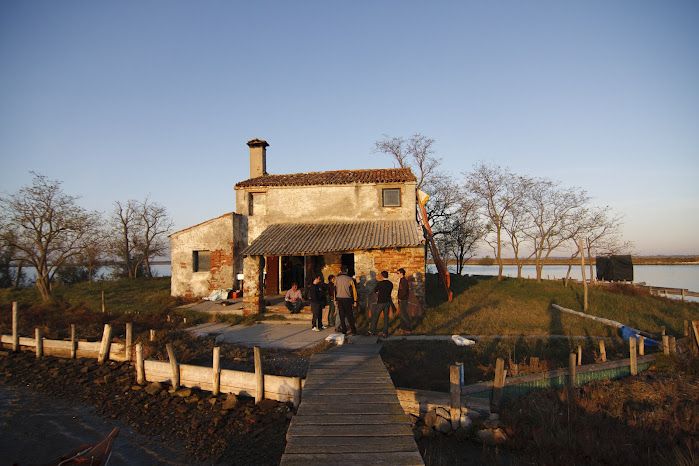
Venice has a shadow side, and the lagoon carries it. One of the itinerary options is Lazzaretto Novo, where the Venetians built the first hospital for quarantine.
That’s an intense historical idea, and it fits the lagoon setting well. The physical layout of islands in the Venice lagoon made isolation possible, and that’s exactly what quarantine needed. In other words, this stop isn’t just about history told on land—it’s a story tied to geography.
Because this tour is private and customizable, you can decide whether you want that heavier chapter to be part of your day. If you do choose it, it can make the whole trip feel more complete: not only the beauty, but also why Venice had to learn how to survive outbreaks.
Skipper-guided history, plus the comfort of sailing between islands
The tour isn’t just movement; it’s explanation. The skipper and guide talk about Venetian history and the origins of Venice, and the setting helps the story stick. When your boat is passing saltmarsh and shallow areas, the “how Venice began” conversation suddenly becomes more than facts.
Comfort-wise, you’re on an older-style Venetian boat that’s described as comfortable. You’ll also be sailing between small canals and sandbanks, which creates a slower, more intimate pace than you get on bigger watercraft.
There’s also mention of cruising while sharing a bottle of white wine. Since food and drinks are listed as not included, I’d treat that as a detail to confirm with the operator when you book, so you don’t assume something that isn’t actually provided.
Either way, the big win is the experience style: small group energy, lagoon-focused sailing, and history that actually matches what you’re seeing.
Price and value: is $447.18 for up to 2 worth it?
At $447.18 per group up to 2 people, this isn’t a cheap add-on. But it can be good value depending on how you compare it.
Here’s the math that makes sense in Venice:
- You’re paying for a private experience for your group size.
- You get boat transport, a skipper and guide, and the included glass factory entry in Murano.
- You’re also buying time in the North Lagoon—an area many visitors never see well.
For couples or two friends, the price can feel more reasonable because you’re not splitting the cost across a larger group where your time gets swallowed by waiting. For larger groups, the boat choice changes (Sampierotta vs Bragozzo), and the private format may still be worth it if you’re aiming for a specific mix of islands.
Also remember what’s not included: museums and food/drinks. If you plan to add extra ticketed sights, your total day cost will rise. If you want a focused boat-and-islands day, it stays more controlled.
Who should book this (and a few smart practical tips)
This is a great fit if you want:
- Authentic lagoon sailing instead of a crowded speed-through day
- A balance of scenery and history
- Flexibility to choose between Murano/Burano and other islands like Torcello, San Michele, Sant’Erasmo, San Francesco del Deserto, or Lazzaretto Novo
You might skip it if:
- You want long museum-style stops (one hour per island won’t scratch that itch)
- You’re hoping your guide will accompany you off the boat for free-form wandering (the guide cannot leave the boat with you)
Practical tips that will make your day easier:
- Dress comfortably and be ready for changing weather. Lagoon wind can change fast.
- Bring a plan for where you’ll walk and how long you’ll be away, since your time on each island is limited.
- Avoid heavy luggage—large bags aren’t allowed—and pets aren’t allowed either.
Should you book the Private 4 hours North Lagoon tour?
I’d book this if you’re the kind of traveler who wants Venice to feel like a living water city, not just a museum of buildings. The included Murano glass factory access, the UNESCO-certified lagoon setting, and the freedom to customize stops give you a day that can actually match your interests—whether that’s color, birds, quarantine history, or the feel of shallow saltmarsh waters.
If you’re on a tight schedule and want maximum ticking-off of famous spots, choose carefully. This tour rewards patience and attention, not rushing. But for the right traveler, it’s a very memorable way to see Venice at its most Venetian: from the water.
FAQ
What’s the duration of the North Lagoon boat tour?
The tour lasts 4 hours.
Is this tour private?
Yes, it’s a private group tour.
Where do we meet, and where does the tour end?
You start at the Out of the OSPEDALE waterbus stop. The activity ends back at the meeting point.
Does the price include Murano glass factory entry?
Yes, entrance to a glass factory in Murano is included.
What islands are typically visited?
The tour travels to Murano and Burano, with about an hour stop on each. Other islands like Torcello, Mazzorbo, San Michele, Sant’Erasmo, San Francesco del Deserto, and Lazzaretto Novo can be included if you choose them.
Are food and museum tickets included?
No. Food and drinks aren’t included, and museum entrances aren’t included.