REVIEW · VENICE
Secret Gardens of Venice Walking Tour
Book on Viator →Operated by deTourist Venice Valerio Coppo · Bookable on Viator
Venice feels calmer here. You’ll trade the usual canal crush for private gardens and lesser-known green corners, guided by local Venetian Valerio Coppo. It’s a small group walk that keeps the pace relaxed and the stops actually interesting.
I especially like the variety of garden styles packed into just about two hours. One stop is a community garden opened by nuns, then you move through historic noble-family grounds, a floral garden center, and finally modern sculptures near the northern lagoon.
One thing to plan for: there’s some walking, and the tour requires good weather. If you’re not into cobblestones and short transfers between neighborhoods, this may feel like more effort than you want.
In This Review
- Key things that make this tour work
- Why secret gardens feel like a cheat code in Venice
- Getting to the start: Casa di Riposo Cottolengo (and where you’ll end up)
- The route: Cannaregio to Castello without the big tourist detour
- Stop 1: Cannaregio’s nun community garden (fruit trees and pergolas)
- Stop 2: Parco Villa Groggia (a park with performance energy)
- Stop 3: Giardini Savorgnan (noble-family “secret garden” feel)
- Stop 4: Rio della Misericordia (a garden center for real Venetian color)
- Stop 5: Spazio Thetis (modern art sculptures facing the lagoon)
- Stop 6: Giardino delle Vergini all’Arsenale (poetry with an Arsenale view)
- What Valerio Coppo brings to these gardens
- Price and value: does $111.03 make sense?
- What to wear and how much energy to plan
- Who should book this (and who might skip it)
- Should you book the Secret Gardens of Venice Walking Tour?
- FAQ
- How long is the Secret Gardens of Venice walking tour?
- What is the group size for this tour?
- Is the tour offered in English?
- Where does the tour start and where does it end?
- Are entrance tickets included?
- Does the tour run in bad weather?
- What is the cancellation refund policy?
Key things that make this tour work
- Private garden access in the middle of Venice: You’re allowed into lush spaces most people never see.
- A small group (max 15): More time for questions and less time stuck behind other groups.
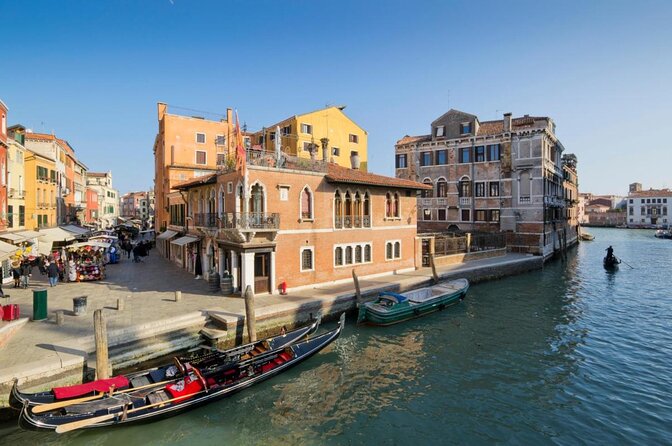
- Cannaregio to the Arsenale area: You get a real sense of different parts of the city, not just one block.
- Gardens with different purposes: From fruit trees and pergolas to ornament plants and modern art.
- Clear guide value (Valerio Coppo): You’ll get context that connects what you see to the city around it.
- Good use of time: Multiple 15-minute garden stops keep the day from dragging.
Why secret gardens feel like a cheat code in Venice
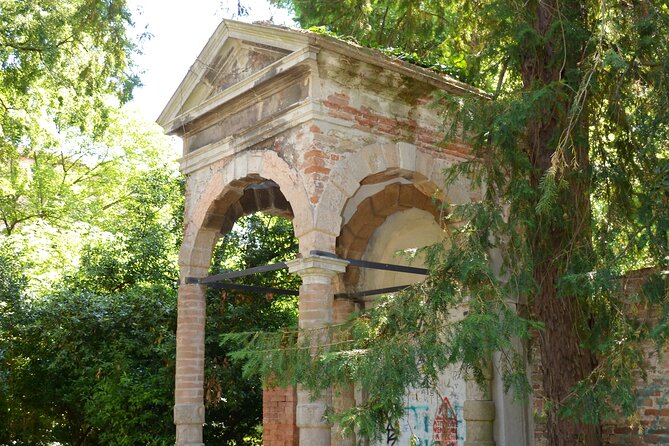
Venice can be loud on purpose. This tour flips that script. Instead of racing from landmark to landmark, you walk through quieter pockets where plants, shade, and courtyards do the talking.
The payoff is access. Several stops are in green areas that are closed off to general visitors most of the time, and your guide helps you experience them properly. That matters, because a garden in Venice is never just decoration. It’s tied to families, institutions, and the way Venetians live with water and limited space.
Also, the group size stays sane. With a maximum of 15 people, the experience doesn’t turn into a shuffle line. You can actually stop, look up, and notice details like pergolas, fruit trees, and plant varieties that you’d miss at speed.
You can also read our reviews of more walking tours in Venice



Getting to the start: Casa di Riposo Cottolengo (and where you’ll end up)
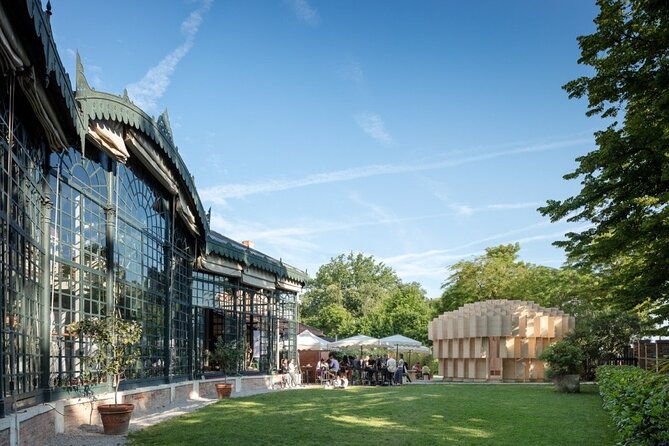
You start at Casa di Riposo Cottolengo, C. del Magazzen, 3539, 30121 Venezia VE. It’s one of those practical Venice meeting points that keeps you near where local paths make sense.
You’ll end near Venezia Santa Lucia, close to the railway station. That’s a big plus if you’re coming in by train or you want an easy exit after the walk. Even if you’re staying somewhere else, ending near Santa Lucia usually means less time planning your next hop.
The tour is offered in English, and you’ll get a mobile ticket. If your phone battery is a concern, bring a charger cable. Venice days can run long, and you don’t want to be stuck finding Wi‑Fi before the first stop.
The route: Cannaregio to Castello without the big tourist detour
The walk centers on sestieri from Cannaregio toward Castello. You’ll start in Cannaregio and then keep moving through green spaces that feel tucked away, even though you’re still inside the city.
This is a smart structure for Venice. You don’t just see a garden. You see what kind of neighborhood it belongs to, and how the city changes as you shift districts. The Arsenale-facing areas add a nice contrast too, because the views pull in the lagoon side of Venice.
Duration is about 2 hours. In practice, that’s enough time to hit multiple garden styles but not so long that you burn out before the best scenery arrives.
Stop 1: Cannaregio’s nun community garden (fruit trees and pergolas)
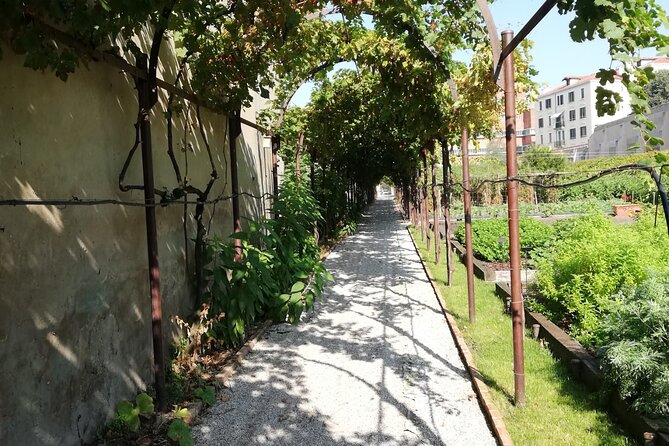
The first stop is in Cannaregio at a hidden garden belonging to a community of nuns. They open their doors for you, and admission is included.
Expect a garden with fruit trees, walking under flowered pergolas, and plants described as mystic. That combination is exactly why this tour works: it’s serene, but it’s also clearly cared for and connected to daily life. Even if you’re not a “plant person,” you’ll feel the difference the moment you step inside.
Time is about 30 minutes here, which is generous compared to the later stops. It gives you room to slow down and actually absorb the garden layout rather than just taking photos and moving on.
The only consideration: because it’s a community space, it’s worth keeping your voice down and respecting the quiet. Venice gardens are calm by design, and this one is especially so.
Stop 2: Parco Villa Groggia (a park with performance energy)
Next up is Parco Villa Groggia, a less-visited green area near a charming villa and a theatre. Admission is free, and the stop is about 15 minutes.
What I like about this stop is the mix of nature and culture. The theatre’s program includes dance, music, and performances, so the garden isn’t only about plants. It’s also part of how the place holds events and community life.
The practical side: this is a shorter stop, so if you’re the kind of person who could wander for hours, you’ll have to accept the pace. Still, it’s a good breather between the more private-feeling gardens.






Stop 3: Giardini Savorgnan (noble-family “secret garden” feel)
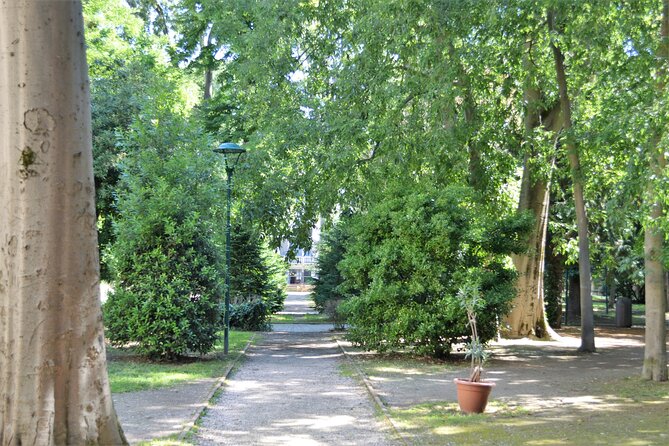
Then you visit Giardini Savorgnan, a hidden park in Cannaregio that served as a secret garden for noble families around their houses. Admission is free, and you’ll have about 15 minutes.
This is where the tour leans more into Venice’s social history—how gardens sat inside city life for people with means and how those spaces became enclosed, private, and protected. Even with limited time, you’ll get a clear sense of why these gardens were valuable in Venice: shade, beauty, and a controlled piece of green in a dense city.
My advice: at this stop, look for structure—how the pathways and garden edges organize the space. That’s where the “secret” part starts to make sense.
Stop 4: Rio della Misericordia (a garden center for real Venetian color)
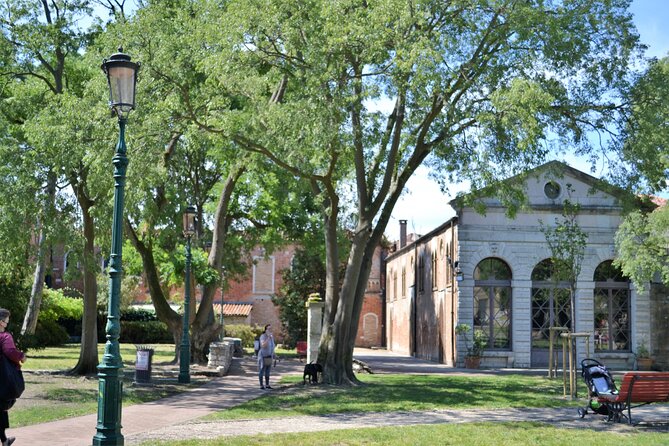
Rio della Misericordia is a garden center in a hidden corner of Venice, where Venetians choose seasonal plants. Admission is free, and the stop is about 15 minutes.
This one is fun because it’s not purely historic or decorative. You’ll learn how people build color for summer using plants like geraniums and surfinias, then brighten foggy winter months with cyclamen.
If you want one garden stop that feels most practical and day-to-day Venetian, this is it. It turns the idea of Venice’s beauty into something lived—purchased, planted, and maintained.
If you’re visiting in a season where you don’t see those exact plants, don’t worry. The point is the role gardens play in Venetians’ calendars.
Stop 5: Spazio Thetis (modern art sculptures facing the lagoon)
Spazio Thetis is another green oasis, and the vibe shifts again. Admission is free, time is about 15 minutes, and the setting faces the northern lagoon area.
This is where you’ll see modern art sculptures placed in an off-the-beaten-path outdoor space. The result is a garden that doesn’t only preserve the past. It mixes contemporary creativity with the quiet surroundings of Venice’s edges.
This stop is especially good if you’re tired of seeing Venice only through classic postcard views. It also helps the tour feel balanced: not every stop is “old world,” and not every stop is purely about plants.
Stop 6: Giardino delle Vergini all’Arsenale (poetry with an Arsenale view)
Your last garden is Giardino delle Vergini all’Arsenale, described as a piece of poetry in garden form. Admission is free, and you’ll have about 15 minutes.
The big draw is the view: it looks toward the Arsenale docks and walls. That means you finish with a strong sense of Venice’s working side—industry, stone, water, and the geometry of the Arsenal—framed by plants instead of set dressing.
This is a great final stop because it brings your route together. You started in Cannaregio with a community garden and end at a place where the lagoon-adjacent atmosphere and Venice’s big historical machinery are in the same view.
What Valerio Coppo brings to these gardens
A garden walk can become a series of pretty stops unless the guide does something more. That’s where Valerio Coppo’s role really shows.
He’s local to Venice, which helps because the gardens aren’t presented like isolated postcards. You get context that connects each space to the district around it and explains why these green pockets exist. He also keeps the tone personable, so even quieter travelers feel comfortable asking questions.
You’ll also notice the variety: fruit trees and flower pergolas, a noble-family enclosure feel, a working garden center where Venetians pick seasonal color, and then a modern-art outdoor space near the lagoon. The guide helps you see the “why” behind each style, not just the “what.”
In reviews, people consistently highlight his friendliness and the way each garden felt different but still connected. That variety is exactly what makes the tour worth it instead of repeating the same visual theme six times.
Price and value: does $111.03 make sense?
The price is $111.03 per person for roughly 2 hours. That might sound high at first, until you break down what’s included.
You’re paying for:
- a licensed tour guide and nature/interpretive guide
- access to private gardens (with an entrance ticket included where required)
- a small group capped at 15
Garden access is the key value here. Venice has plenty of public parks, but the appeal of this tour is being let into spaces that are typically closed to general visitors. When a private-garden visit is part of your route, the cost stops feeling like a generic walking tour fee.
One more budget consideration: if you’re staying outside Venice and visiting for the day, you may need to pay a €5 access fee on certain dates. The exact days and exemptions are handled through https://cda.ve.it, so it’s smart to check ahead so there are no surprises.
What to wear and how much energy to plan
Plan for comfortable shoes. This is a walking tour through Venice neighborhoods, and there’s a reasonable amount of moving between garden stops.
Because the tour requires good weather, bring a rain plan. Venice can go from fine to wet quickly, and you don’t want to be miserable while trying to enjoy shaded garden interiors.
If you’re traveling with a service animal, service animals are allowed.
Who should book this (and who might skip it)
This tour is ideal if you:
- want a quieter Venice experience away from heavy crowd circuits
- like gardens, plants, and city details that don’t fit into the usual sightseeing boxes
- prefer a small group pace instead of long lines and rushed stops
- enjoy variety: historic private garden settings plus a modern-art outdoor space
You might think twice if you:
- hate walking on cobblestones and uneven surfaces
- only want landmark-style stops (this is about gardens and atmosphere, not monuments)
- visit in poor weather and can’t be flexible with dates
If you’re starting your Venice trip and want an easy first win, this tour is a strong candidate. It helps you get the city’s rhythm in a gentler way.
Should you book the Secret Gardens of Venice Walking Tour?
I’d book it if you want Venice with quiet built in. The combination of private garden access, a small-group format, and a route that shifts between districts makes it feel like a real experience instead of a basic sightseeing loop.
The price is not cheap, but it’s more understandable because entrance access and guide interpretation are part of the deal. Add in the fact that the tour ends near Santa Lucia, and it fits nicely into a day that includes train travel.
If you’re planning ahead: book early. It’s commonly reserved about 50 days in advance, and good-pace tours with limited group sizes go first.
FAQ
How long is the Secret Gardens of Venice walking tour?
The tour lasts about 2 hours (approx.).
What is the group size for this tour?
The tour has a maximum of 15 travelers.
Is the tour offered in English?
Yes, it is offered in English.
Where does the tour start and where does it end?
It starts at Casa di Riposo Cottolengo, C. del Magazzen, 3539, 30121 Venezia VE, Italy. It ends close to the railway station in Venice, near Venezia Santa Lucia.
Are entrance tickets included?
Admission is included for the first stop (Cannaregio’s nun community garden). The other listed garden stops have admission free.
Does the tour run in bad weather?
The tour requires good weather. If it’s canceled due to poor weather, you’ll be offered a different date or a full refund.
What is the cancellation refund policy?
You can cancel for free up to 24 hours in advance for a full refund. If you cancel less than 24 hours before the start time, the amount you paid will not be refunded.
If you tell me your travel dates and whether you’re staying in Venice or doing a day trip, I can help you decide if this timing lines up well with the €5 access fee days.