REVIEW · VENICE
Venice: Giudecca Island Discover Walking Tour
Book on GetYourGuide →Operated by Valerio Coppo Detourist · Bookable on GetYourGuide
Giudecca is Venice with breathing room. I love how this tour pairs a short waterbus ride with an on-foot walk that shows the island’s creative side and its older, quieter neighborhoods, so you get the full mood shift in just two hours. I also appreciate that the guide points out what you’d miss if you walked it alone, using local detail instead of generic sightseeing.
What I like most is the way the route balances two faces of the island: the long pedestrian quay facing Venice and the greener, lagoon-side areas with gardens and galleries. The second thing I really value is the human touch—Valerio Coppo’s guidance is thoughtful, competent, and genuinely fun, which makes the history feel tied to real streets you can actually see.
One drawback to plan around: this walk isn’t suitable for people with mobility impairments or for wheelchair users, so it’s best if you can handle a steady walking pace on uneven island paths.
In This Review
- Key highlights to look for
- Giudecca Island’s quiet identity: a walk across Venice’s other side
- Getting there: the waterbus ride that sets the tone
- The meeting point: Gesuati and an easy start
- Walking Giudecca’s Venice-facing quay: architecture you can actually read
- Lagoon-side Giudecca: gardens, galleries, and neighborhood texture
- Meet Valerio Coppo: the guide factor that changes everything
- What the tour covers in real time (and why it works in 2 hours)
- Price and value: what you’re paying for
- Who should book this Giudecca walk
- Should you book the Venice: Giudecca Island Discover Walking Tour?
- FAQ
- How long is the Giudecca Island walking tour?
- Where does the tour start?
- Is the waterbus ticket included?
- Is this tour private?
- What languages is the live guide available in?
- Is the tour suitable for wheelchair users or people with mobility impairments?
Key highlights to look for
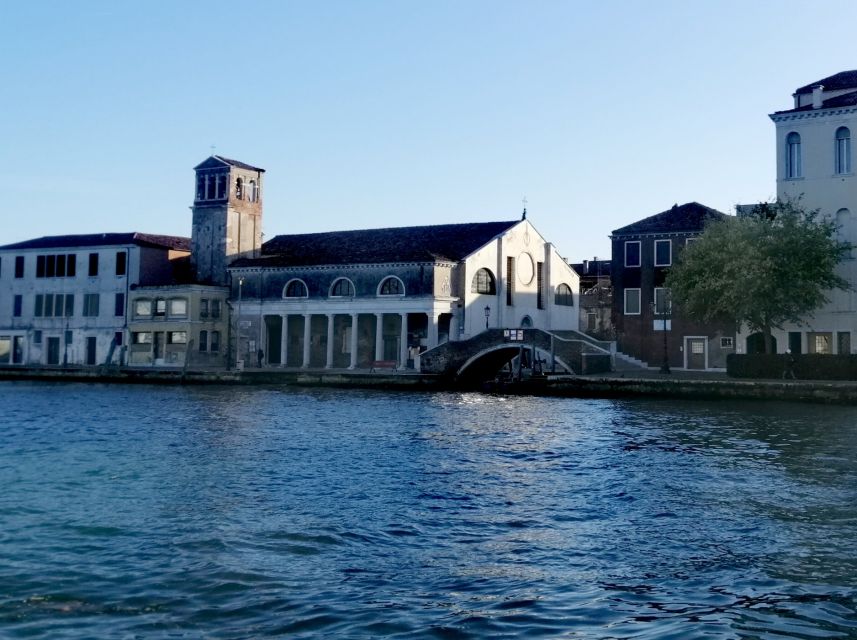
- Waterbus views over the Giudecca Canal as your first preview of what the island feels like
- Valerio Coppo’s storytelling that turns buildings and neighborhoods into something you can picture
- A split route: Venice-facing promenade plus lagoon-side gardens and art spaces
- Giudecca’s “unofficial seventh sestiere” vibe, closer than you think and less crowded than central Venice
- Architecture with purpose, from palaces and gardens to later industrial and worker-era uses
Giudecca Island’s quiet identity: a walk across Venice’s other side
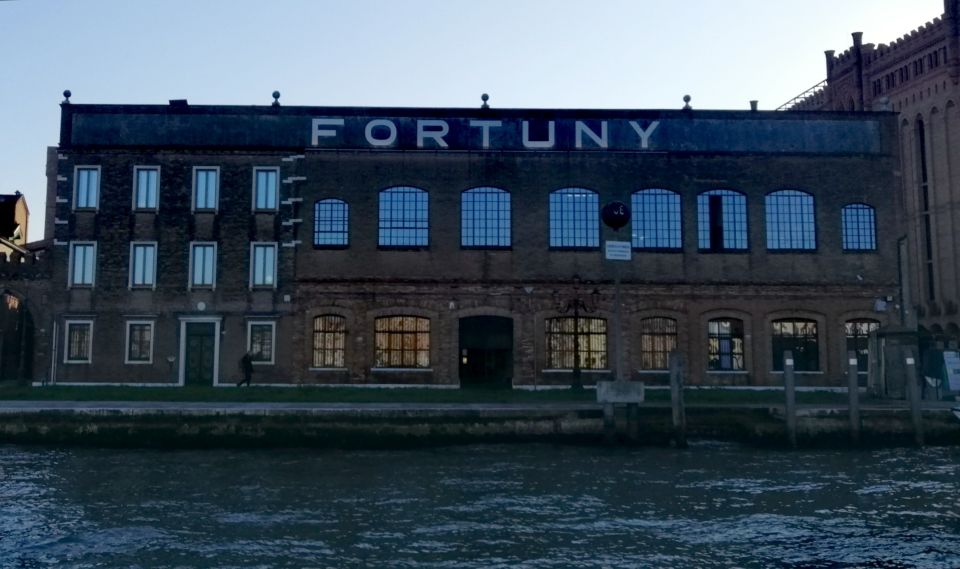
If Venice is the postcard, Giudecca is the after-hours version. It’s shaped like a fishbone in the way the coastline runs, and it’s known as Venice’s unofficial seventh neighborhood—close enough to feel like part of the same city, but calm enough that you can actually hear yourself think.
I like that this tour frames Giudecca as a place with changing roles over time. You’ll hear how it started as an aristocratic retreat, then became the city’s industrial center, and how that in-between story still shows up in the buildings and street textures you walk past today.
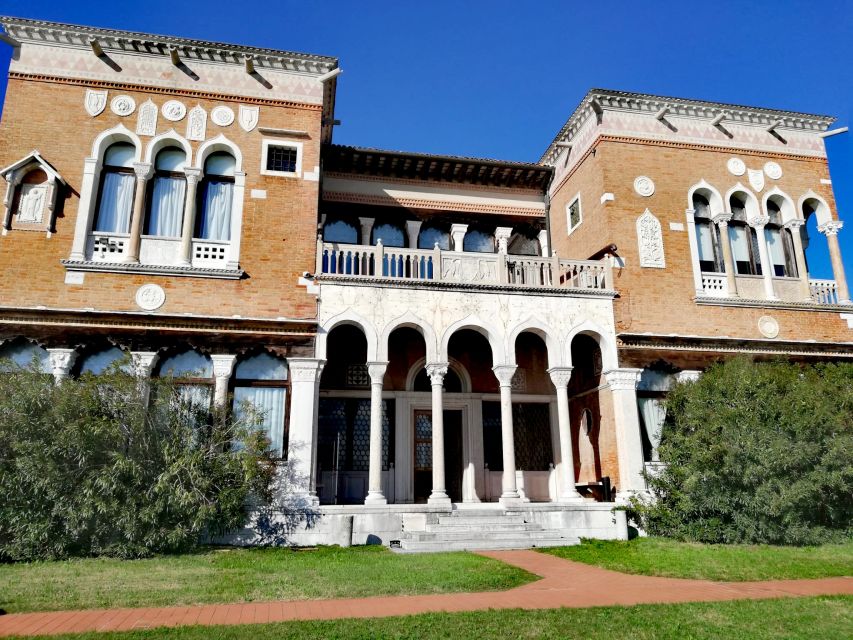
You’ll also learn why many people chose Giudecca for life that wasn’t centered in the busiest part of Venice. Religious communities and patrician families favored it, including families who built palaces with gardens and allotments. Later, after the fall of the republic, those same zones shifted toward warehouses, barracks, prisons, factories, and workers’ quarters—many of which have been repurposed for artistic and modern uses.
You can also read our reviews of more walking tours in Venice


Getting there: the waterbus ride that sets the tone
This tour doesn’t start with a rushed sprint to sights. It starts with a waterbus ride to Giudecca, which is the easiest way to understand how the island sits apart from Venice.
Here’s the practical part: the waterbus ticket to Giudecca is not included, so you’ll need to buy it on board. That’s one of those small planning details that matters, because you’ll want to do it without delay once you arrive at the boat.
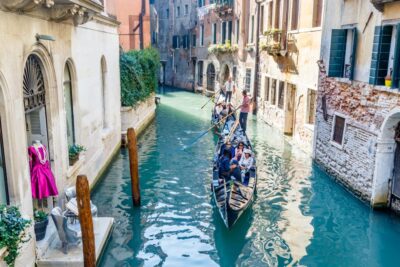
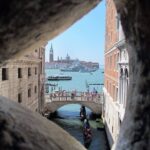
On the ride, you get breath-taking views of the city—basically a moving vantage point that helps you orient before the walking begins. I find that makes the rest of the tour click faster: when you see the canal and the island’s position from the water, the promenade and neighborhoods feel mapped instead of random.
The meeting point: Gesuati and an easy start
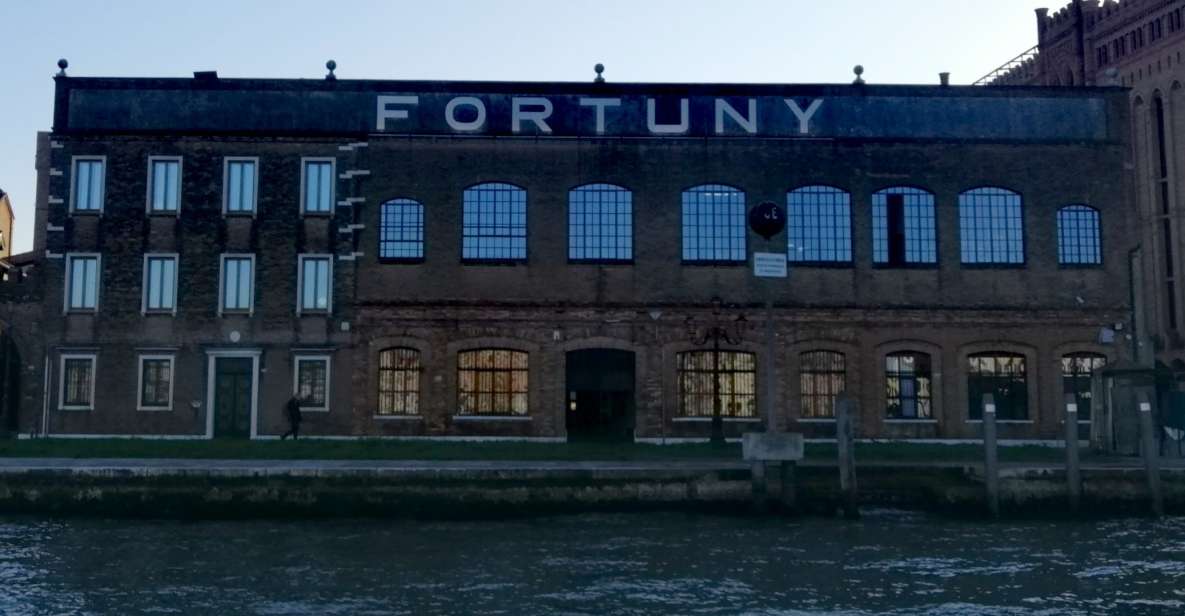
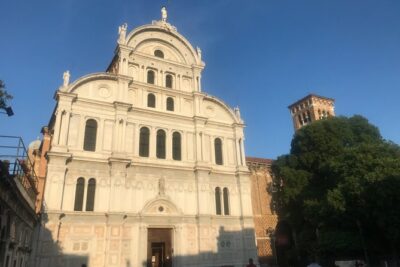
The tour meets in front of the Church of Saint Mary of the Rosary (Gesuati). That’s a helpful anchor because it’s a recognizable landmark, and it also keeps the whole experience feeling connected to Venice rather than like a distant day trip.
From there, you head out to Giudecca and settle into the rhythm of the island. Since the walk is about two hours, you won’t get stuck wandering for ages without a reason. The route is built around what you can realistically see in a short window while still getting meaningful context.
The group format is private, which I see as a value add. It tends to make questions easier and lets the guide slow down where your curiosity lands.
Walking Giudecca’s Venice-facing quay: architecture you can actually read
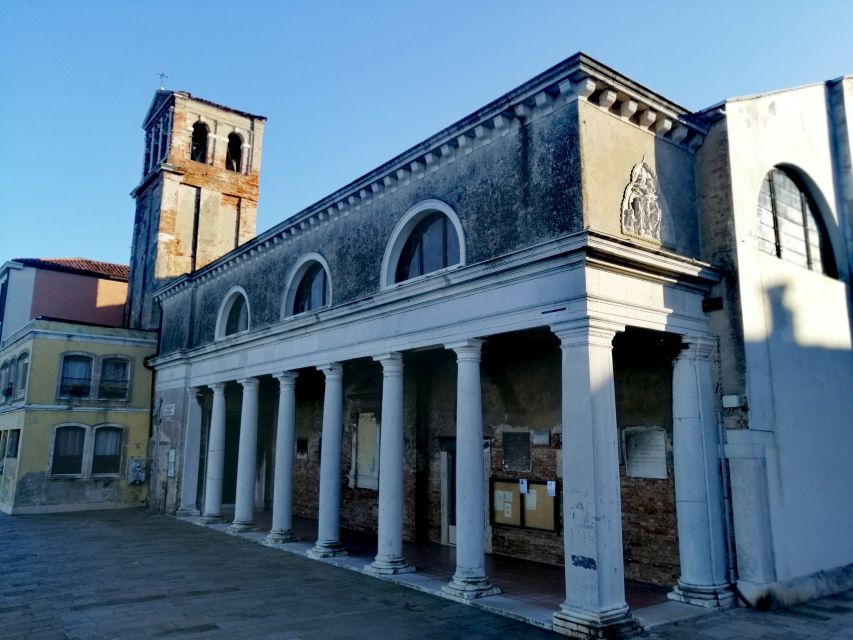
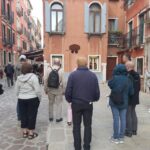
Once you’re on Giudecca, you walk the long pedestrian quay along the Venice-facing side. This is where the island’s everyday life becomes visible—more residential energy, more colors, and more of that practical architecture detail that doesn’t show up as often in the main tourist zones.
This part of the tour feels calm, but not empty. The quay gives you a steady line to follow, so you can keep moving while the guide explains what you’re seeing: the shapes of buildings, the way the neighborhoods sit, and why this side of the island historically mattered in relation to Venice itself.
The best use of this section is attention. If you pay attention to the edges—waterline, facades, and the transitions between buildings and open space—you start noticing how Giudecca’s past echoes in its present form. Even when older functions are gone, the footprint remains.
One reason I like that the guide covers both the famous and the lesser-known sights is that the quay doesn’t feel like it’s only about one or two photo stops. You’re learning the island as a system, not just collecting views.
Lagoon-side Giudecca: gardens, galleries, and neighborhood texture
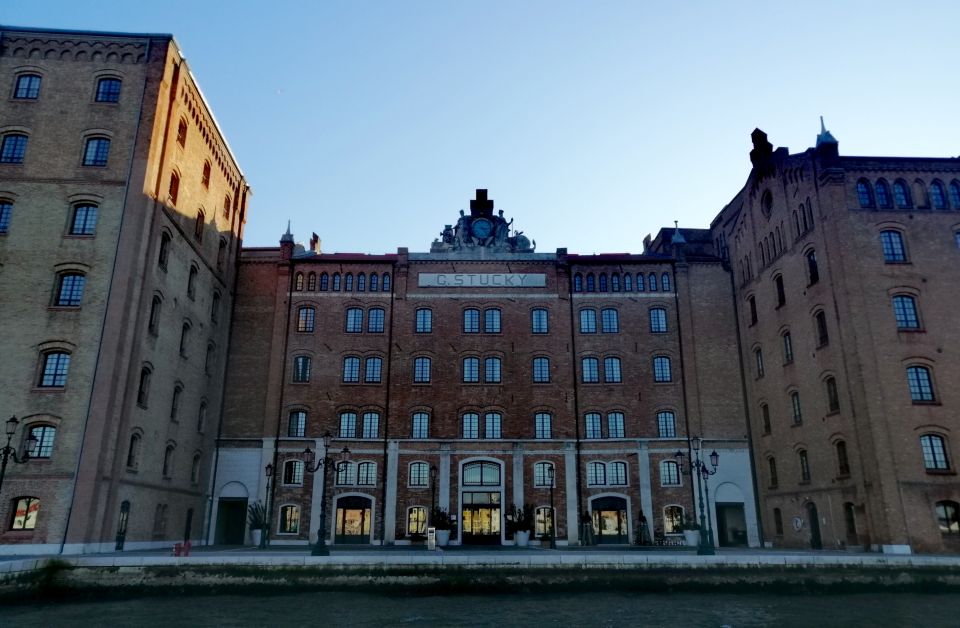
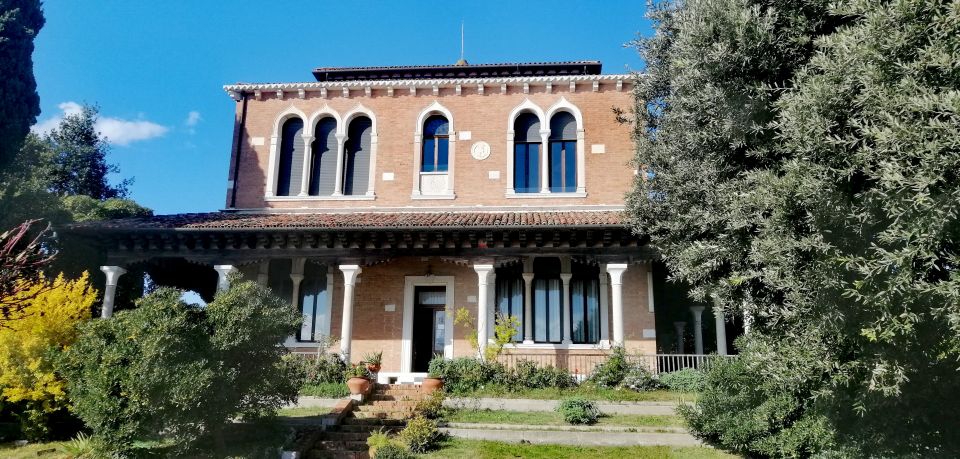
After the Venice-facing stretch, the tour shifts toward the hidden lagoon-facing side—where the tone changes. This is where you’ll find lush gardens, inspiring galleries, and neighborhoods that feel more personal and less formal.
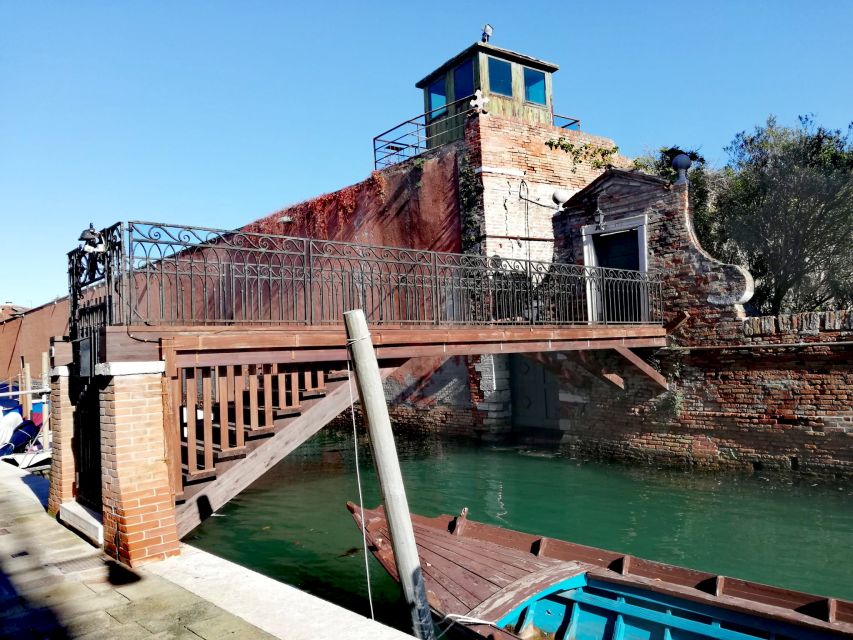
This is also where the earlier history starts to make visual sense. When patrician families had palaces with gardens and allotments, it helped shape a landscape that people could live in differently from central Venice. Later, when parts of the island turned industrial and working-class, the built environment changed. Today, some of those spaces are converted for artistic and modern purposes, and you can feel that layering as you walk.
I like that you’re not just told the story—you’re shown the physical clues. A garden plot, an art-facing space, the way a street bends or opens—those details are the kind you can’t easily spot on your own.
Also, this side of Giudecca tends to feel like the island is giving you a breather. If you’ve been spending days in crowded canals and tight lanes, this is a helpful contrast without being a totally different city.






Meet Valerio Coppo: the guide factor that changes everything

The name to remember here is Valerio Coppo. Based on what I’ve seen from his tour work, the thing that matters most is not just factual knowledge—it’s how clearly he connects stories to the streets you’re walking.
The feedback on his guidance consistently points to two qualities: he’s competent and warm, and he can explain the island with enough detail to feel genuinely satisfying, not scripted. That combination is the difference between a tour you forget after lunch and a tour that changes how you look at the place.
You’ll also notice that the tour is offered in multiple languages—English, German, Italian, and Spanish—so you can match your comfort level. And because the group is private, the pace often feels more like a real guided walk than a mass hop-on/hop-off style experience.
What the tour covers in real time (and why it works in 2 hours)
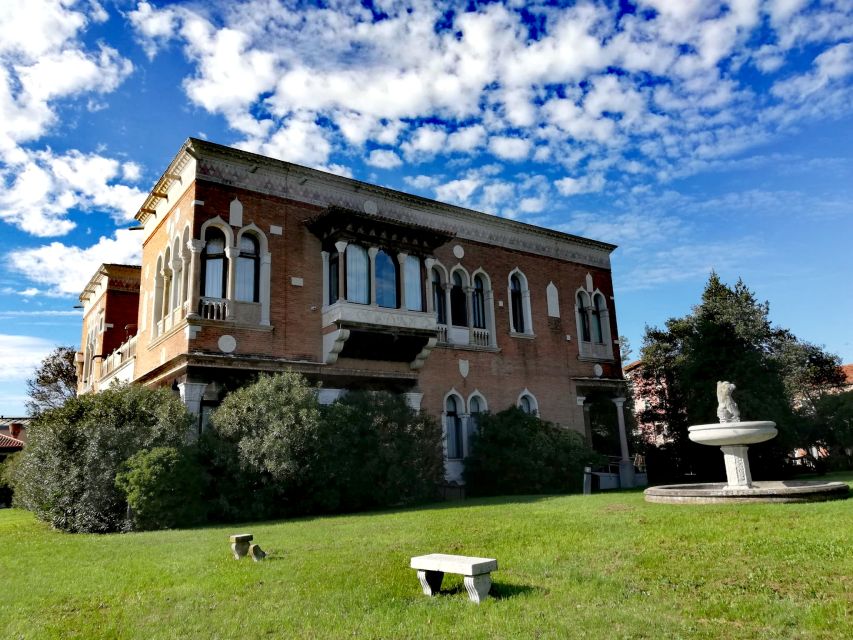
Two hours can sound short for a place like Venice, but Giudecca is the rare case where the layout makes a compact tour feel complete. The island is the largest and closest island to Venice, separated by the broad and deep Giudecca Canal, so the geography naturally keeps the walk focused.
Here’s what you’ll effectively cover during the session:
- Sea-air orientation from the waterbus ride
- A clear main walk segment along the Venice-facing pedestrian quay
- A second mood shift on the lagoon-facing side with gardens and art spaces
- Context on how Giudecca evolved from aristocratic retreat to industrial center to modern creative uses
The practical benefit is focus. You won’t feel like you spent two hours traveling around trying to find the “right” spots. The guide’s job is to keep you moving along a line of sight with explanations that match what you’re seeing.
And because you’re outside most of the time, it’s a good choice for travelers who want something active but not exhausting. You get fresh air and views without committing to a half-day trek.
Price and value: what you’re paying for
The price is listed as $146.14 per person for a 2-hour private guided walking tour. That’s not a “cheap souvenir” price, but it also doesn’t feel inflated for what you get—especially if you value expert interpretation over self-guided wandering.
What you’re really paying for is three things:
- A guide who can point out lesser-known sights and explain why they matter
- A route that uses the island’s two different sides to create variety fast
- A format that stays manageable in duration, so the tour doesn’t eat your whole day
If you’re traveling as a pair or small group, a private format can be a sensible value because you’re not trying to listen through the noise of a bigger crowd. On the other hand, if you’re someone who loves to roam independently, you may feel you’re paying for the “how to read the island” part rather than raw sightseeing volume.
Who should book this Giudecca walk
This tour is best for you if you want Venice perspective without the main-city crush. I think it fits especially well for:
- People who enjoy walking but want a clear route and an explanation
- Travelers who care about how places changed over time, not just famous landmarks
- Anyone who wants a creative, local-feeling side of Venice in a short window
It may not suit you if mobility is an issue, since the tour is listed as not suitable for people with mobility impairments and not for wheelchair users. If you’re comfortable on uneven island paths and you can keep a steady walking pace, you’ll likely enjoy the flow.
Should you book the Venice: Giudecca Island Discover Walking Tour?
If you want a Venice day that feels quieter, more personal, and still richly explained, I’d book this. The key reason is the combination of format and guidance: you get the waterbus orientation, then a walk that moves between the island’s Venice-facing and lagoon-facing personalities. Add Valerio Coppo’s strong, friendly competence, and it becomes more than a stroll—it becomes a way to see Giudecca as a living neighborhood.
I’d also book it if you’re the type who likes to understand what you’re looking at. Giudecca rewards attention, and the guide helps you place the island’s layers—aristocratic retreat, later industrial center, and today’s artistic uses—into a story you can picture while you walk.
FAQ
How long is the Giudecca Island walking tour?
It lasts 2 hours.
Where does the tour start?
Meet your guide in front of the Church of Saint Mary of the Rosary, also known as Gesuati.
Is the waterbus ticket included?
No. You purchase the waterbus ticket to Giudecca on board.
Is this tour private?
Yes, it’s a private group tour.
What languages is the live guide available in?
The guide is available in English, German, Italian, and Spanish.
Is the tour suitable for wheelchair users or people with mobility impairments?
No. It is not suitable for wheelchair users or people with mobility impairments.