REVIEW · VENICE
Morning Walking Tour of Venice with Gondola Ride
Book on Viator →Operated by Insidecom srl · Bookable on Viator
Venice can feel like a maze at first. This morning tour gives you a guided way in, then swaps your walking shoes for a gondola seat. You start on the canal and piazza axis of old Venice, learn what to look for, and finish with a compact ride that still feels special.
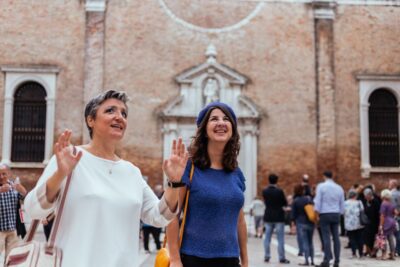
I especially like the 2-part format: you get an organized introduction on foot, and the gondola is the payoff. On the walking side, guides like Monica and Christine show up with detailed, clear explanations that help the city make sense fast. And on the water, the gondola itself is simply fun—an easy way to slow down when Venice is otherwise nonstop turning and crossing.
One thing to consider is that the gondola part is short (about 30 minutes) and there’s no official narration during the ride. If you want a long, story-filled gondola, or you prefer a private boat so you can sit in a perfect viewing position, this may feel a bit tight—especially on shared rides.
In This Review
- Key things to know before you go
- A 9:00 a.m. start that actually helps
- Meeting point and pacing on Venice’s narrow streets
- Stop 1: Canal Grande for orientation, plus a ticket
- Piazza San Marco: quick, iconic, and efficient
- Marco Polo references: why this walk touches the world beyond Venice
- Santa Maria della Salute: the plague vow behind the Baroque drama
- La Fenice: opera house power in a small footprint
- Saints John and Paul: Venice’s burial vault aura
- Campo Santa Maria Formosa: where the walking tour feels most local
- Gondola ride: short, shared, and officially no narration
- What the gondola adds to the walking tour
- Price and value: what you’re paying for
- Who this tour is best for (and who should skip it)
- Should you book this Venice morning walk and gondola?
- FAQ
- What does the tour include?
- How long is the tour?
- Where do I meet the tour?
- What time does the tour start?
- Is the gondola ride shared or private?
- What happens if weather is bad?
- Is there an entry fee for Venice access on day trips?
- What languages are available?
Key things to know before you go
- Starts at 9:00 a.m. so you’ll face fewer crowds on the narrow streets and bridges
- 1.5-hour walking + ~30-minute gondola keeps it moving but not exhausting
- Canal Grande is the main focus (about 20 minutes, with admission ticket included)
- Piazza San Marco is quick (about 5 minutes), not a long linger
- Santa Maria della Salute, La Fenice, and Saints John and Paul are key religious and landmark stops
- Gondola boats max about 5 people, so larger groups split up
A 9:00 a.m. start that actually helps
Venice rewards early mornings. A 9:00 a.m. departure means you’re likely catching streets and intersections before they get packed, and it’s easier for a group to stay together when the pathways pinch down.
The tour runs about 3 hours total (walking plus gondola). It’s short enough for most first-timers, but long enough that you’ll feel like you’ve had a real plan, not just a stroll.
You can also read our reviews of more walking tours in Venice
Meeting point and pacing on Venice’s narrow streets
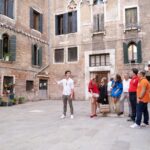
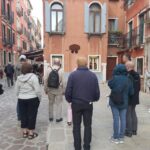
You meet at Calle larga de l’Ascension, 30124 Venezia VE. From there, the tour keeps you moving through Venice’s maze, and the pacing can vary depending on crowd levels and the guide’s style.
Because it’s a collective tour, you may be part of a larger group and sometimes spread out along bridges and calli. That can affect how well you hear explanations if your position drifts, so aim to stay close to the guide when you can.
Tip that comes up again and again: go early enough to find the meeting spot without stress. One late arrival story ended badly, with the tour moving on.
Stop 1: Canal Grande for orientation, plus a ticket
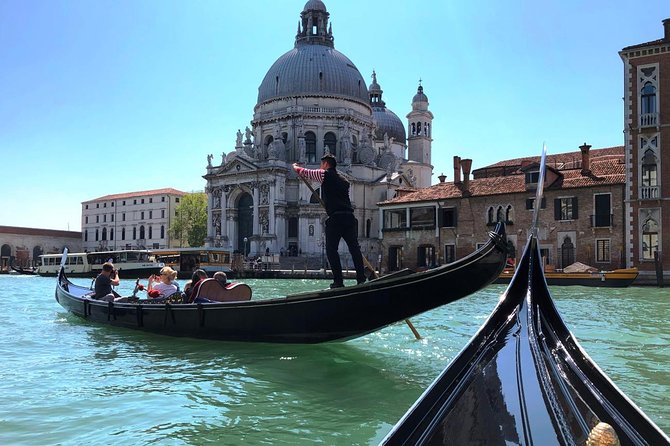
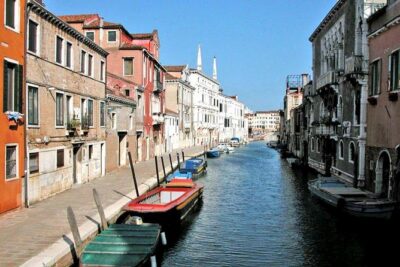
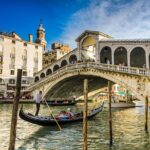
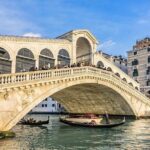
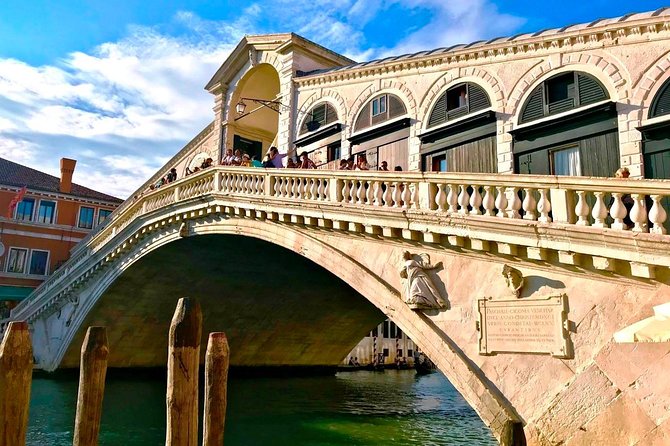
The Grand Canal (Canal Grande) is where Venice’s big story sits in plain sight. It’s the main canal through the historic center—about 3,800 meters long—and it’s shaped like an inverted S from Ponte della Libertà to Bacino di San Marco.
You get about 20 minutes here, plus an admission ticket is included. In practical terms, this stop helps you understand why so many buildings face the water and how the city’s layout is built around canals, not roads.
A short note on expectations: 20 minutes is not a full Grand Canal sightseeing cruise. It’s more like a guided setup—so you can connect what you see from the street to what you’ll notice later.
Piazza San Marco: quick, iconic, and efficient
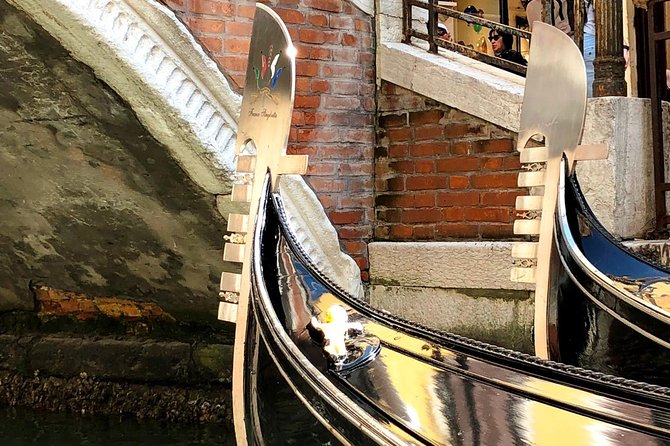
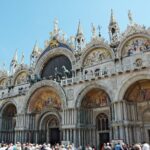
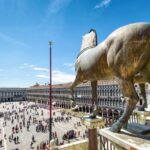
Then you hit Piazza San Marco for about 5 minutes. It’s one of those places where you don’t need a long lesson to know it matters, but you do benefit from a guide’s pointing out what’s where.
Because your time is limited, use those five minutes like a reset. Scan the square, notice the geometry of the space, and look toward the landmark buildings so later stops feel connected instead of random.
If you’re the type who wants to sit and people-watch for 30+ minutes, this stop may feel too short. But if you want an itinerary that keeps you moving without burning the whole morning, it works.
Marco Polo references: why this walk touches the world beyond Venice
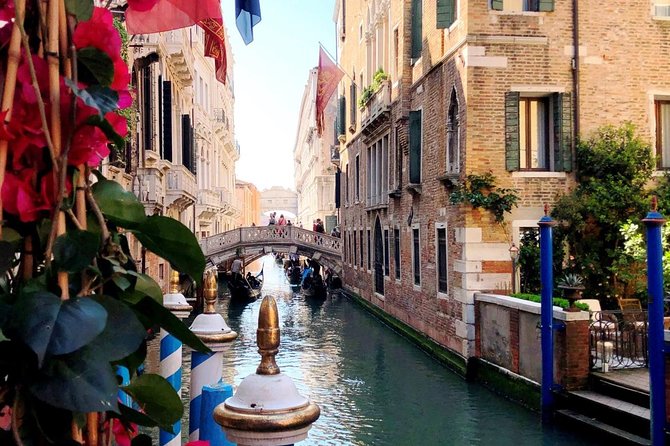
You’ll also hear a Marco Polo connection during the route. The key idea is that his travel record—the work Il Milione—collected reports of travels in the Far East and served as a kind of geographical reference for Europe at the end of the 13th century.
This matters because it ties Venice to trade and learning, not just romance postcards. It’s a reminder that Venice’s canals weren’t built for sightseeing first—they were built for commerce and connections.
You can also read our reviews of more tours and experiences in Venice


Santa Maria della Salute: the plague vow behind the Baroque drama
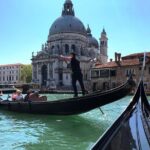
One of the most memorable stops in the list is Santa Maria della Salute. It sits near Punta della Dogana, and from there you get views that connect the church’s position to St. Mark’s Basin and the Grand Canal.
This church was designed by Baldassare Longhena, with attention to Palladio’s models, and it was built as a votive offering by Venetians to the Virgin Mary after a plague outbreak in 1630–1631. The devotion became so rooted that the Virgin Mary was added to the city’s list of patron saints, and the basilica was later elevated to minor basilica status in 1921.
Even if you’re not a “church person,” you’ll probably enjoy this stop because the story explains the energy of the building. You’re looking at architecture with a real reason behind it, not just something pretty to photograph.
La Fenice: opera house power in a small footprint
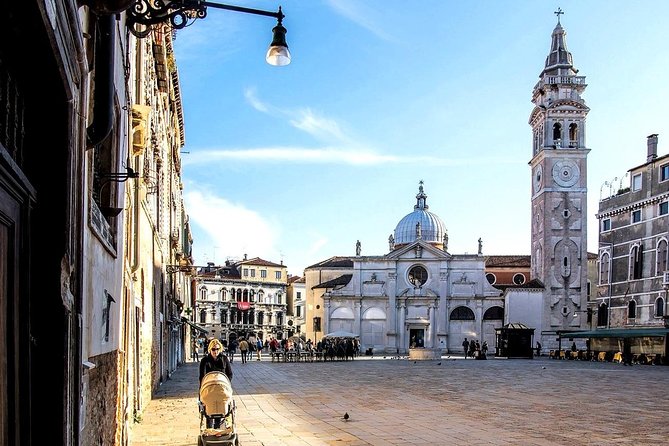
Next up is Gran Teatro La Fenice, located in the Sestiere di San Marco (Campo San Fantin). It’s described as the main opera house in Venice and one of the most prestigious in the world.
The building has a big comeback story too: it has been destroyed and rebuilt twice. It also hosts major seasons, including a traditional New Year’s Concert, plus the International Festival of Contemporary Music.
This stop works well on a walking tour because you get a quick feel for how Venice mixes everyday life with high culture. You’ll likely pass it at street level, then realize later how much opera history sits right there in the middle of the city.
Saints John and Paul: Venice’s burial vault aura
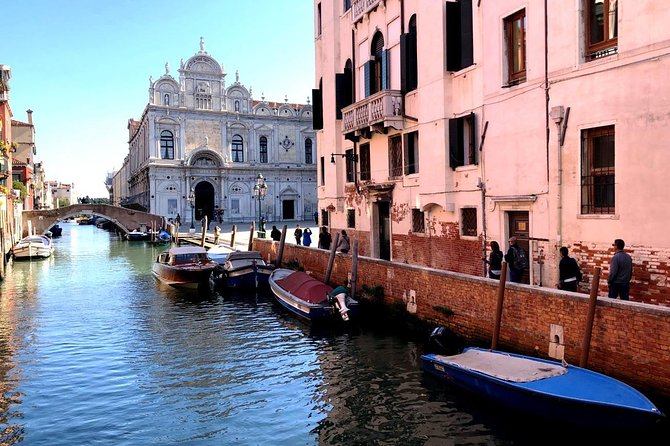
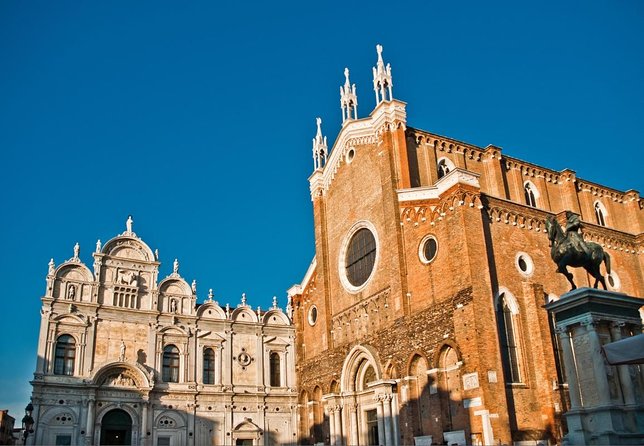
Another standout stop is the basilica of Saints John and Paul. It’s called one of Venice’s most impressive medieval religious buildings, grouped alongside the basilica of Santa Maria Gloriosa dei Frari.
This site is often treated like a kind of pantheon because so many important figures—including Venetian doges—were buried there starting in the 13th century. The basilica was later recognized as a minor basilica in September 1922.
If you like tangible history—stone, tombs, and the physical weight of leadership—this one can hit harder than the postcard monuments. It turns your attention from “what’s famous” to “why these places matter to how Venice governed itself.”
Campo Santa Maria Formosa: where the walking tour feels most local
You’ll also spend time around Campo Santa Maria Formosa, in the Castello district. It’s described as one of the largest squares in Venice, with nine calli and eleven bridges branching off from it, and the name comes from the nearby church of Santa Maria Formosa.
This is a nice counterbalance to the big-name sights. Instead of only seeing symbols, you get a slice of daily Venice geometry: bridges, side streets, and foot traffic that make the city feel lived-in.
Gondola ride: short, shared, and officially no narration
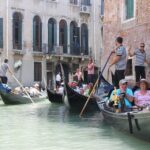
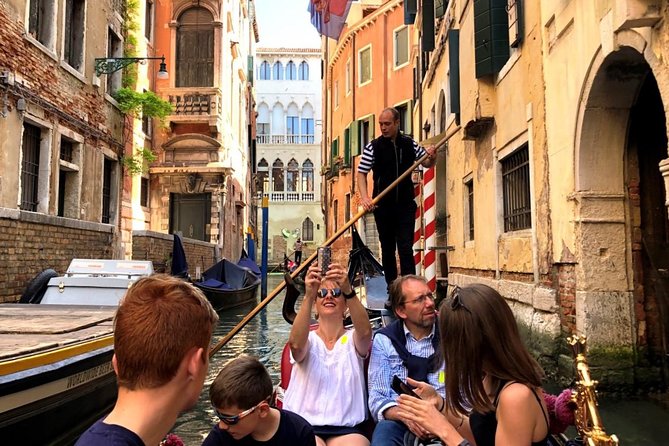
The ride portion is about 30 minutes, and it ends back at the meeting point. Boats can host up to five people, so if you have a larger reservation, you’ll split into smaller groups and take different gondolas.
Important detail: the tour notes that no commentary is provided during the gondola ride. That can disappoint people who expect the guide to keep explaining as you glide. Still, the gondolier may interact on some boats—some riders have mentioned stories or singing—just don’t count on it as part of the official service.
Also, shared seating is real. Some groups end up sitting sideways, which can limit what you see. If you’re planning your photos like a mission, consider this a tradeoff: you’re buying the experience, not guaranteed perfect sightlines.
What the gondola adds to the walking tour
The walking portion gives you orientation—where Venice’s big landmarks sit and how the city is organized. The gondola then gives you movement and perspective: canals narrow, bridges drop overhead, and the city changes scale when you’re not on foot.
Even with a short duration, it’s a great way to end an intense morning of streets and crossings. It also helps you reset before you head out on your own.
Price and value: what you’re paying for
At $87.70 per person, you’re paying for two specific things:
- a guided walking introduction
- a gondola ride included in the same ticket
For first-timers, that combo can be good value because it reduces decision fatigue. You’re not figuring out which stops to prioritize at 9:00 a.m. on your own—you’re following a path that hits famous places plus a few crucial context points.
That said, a few reviews flagged two common value issues:
1) the gondola can feel short for the price
2) the ride is shared, so you may not get your preferred seating or focus
If your dream Venice morning is mostly about architecture and museum-level time, you may want a different tour. If you want a guided start and an unforgettable water moment, this one can make sense.
Who this tour is best for (and who should skip it)
This works best if you:
- want a fast way to get bearings in a city that’s hard to navigate
- like history told in the moment while you’re looking at the streets
- want a gondola without spending the whole day planning logistics
It may not be your best match if you:
- hate short stays and want long time in each sight
- need a quiet, private ride with lots of talking and flexible stops
- are very sensitive to group size and meeting-point punctuality
One practical strategy if crowds bother you: book as early as you can, then choose to show up early on the day. The tour is scheduled in advance (an average of 85 days), and early mornings help reduce stress.
Should you book this Venice morning walk and gondola?
If you’re deciding between a self-guided day and a guided combo, I’d lean toward booking this if you want structure and a gondola moment without turning your morning into a puzzle. The walking route hits the big map-makers—Grand Canal, Piazza San Marco area, Santa Maria della Salute, La Fenice, and Saints John and Paul—so you leave with a mental framework.
But if you’re expecting a long gondola with guided narration the whole time, adjust your expectations. This is a short ride on a shared boat, and the walking portion does most of the work.
If your priorities are clear—short intro on foot, then a gondola experience—you’ll likely feel it was worth it.
FAQ
What does the tour include?
It includes a guided walking tour and a gondola ride. No commentary is provided during the gondola ride.
How long is the tour?
It runs for about 3 hours. The combo includes a 1.5-hour walking tour and a 30-minute gondola ride.
Where do I meet the tour?
You meet at Calle larga de l’Ascension, 30124 Venezia VE, Italy. The tour ends back at the same meeting point.
What time does the tour start?
The start time is 9:00 am.
Is the gondola ride shared or private?
It’s a collective tour, and gondolas can host up to 5 people. If your group is larger, you’ll be divided into smaller groups and take different gondolas.
What happens if weather is bad?
The gondola ride might be suspended due to bad weather. You’re asked to go to the departure point to check whether the tour takes place or if an alternative is offered.
Is there an entry fee for Venice access on day trips?
On certain dates, visitors staying outside Venice may need to pay a €5 access fee. Details and exemptions are listed on the city page provided.
What languages are available?
The tour is offered in English. If language groups are combined from November 1 to March 31, you may get a bilingual guide with information presented in both languages.